
June 2026
HVAC Contractors: Workers Compensation, Vehicles, Tools, and Jobsite Risk
HVAC contractors face employee injury, auto, tools, equipment, refrigerant, property damage, subcontractor, and certificate issues as the business grows.
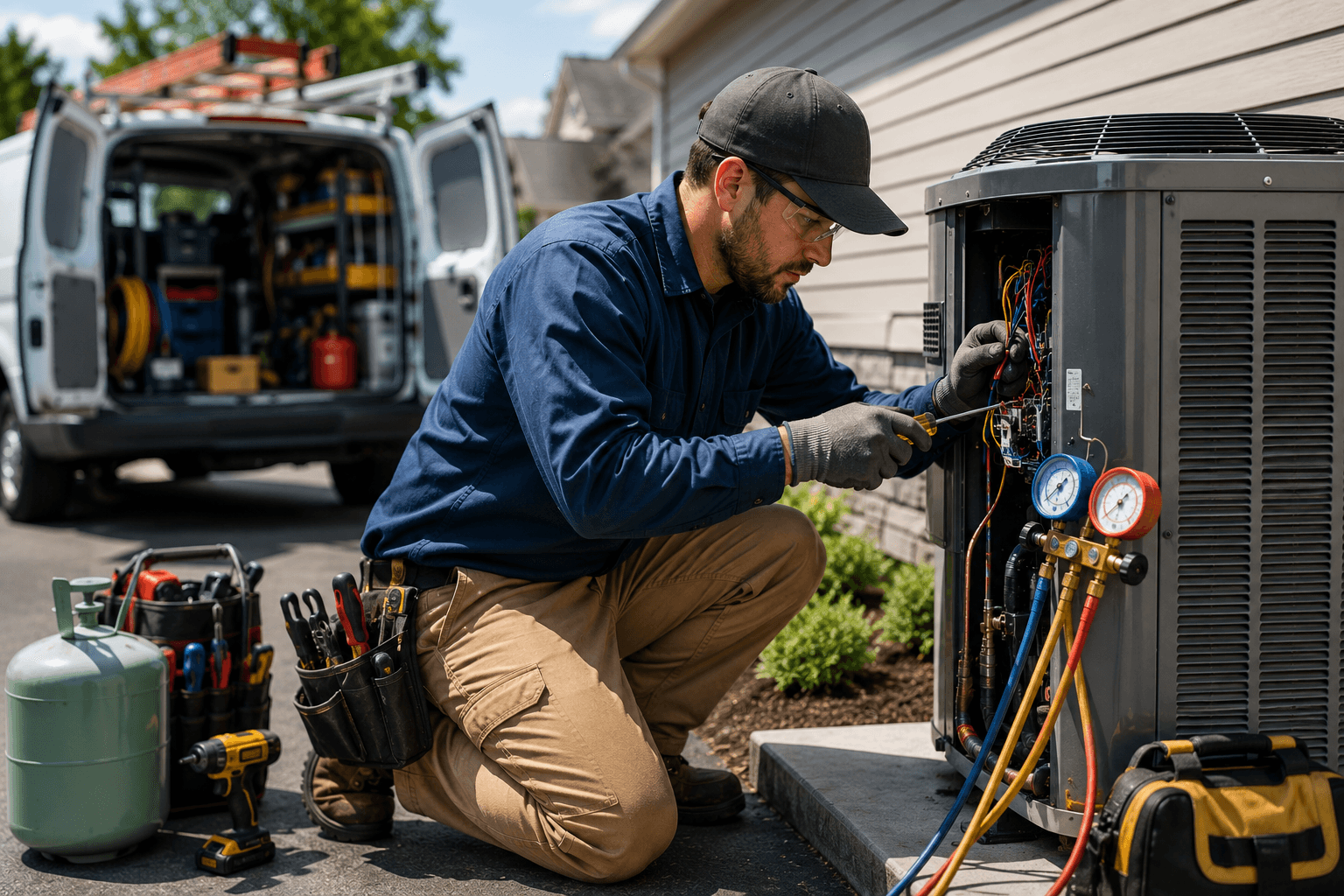
HVAC work is a mix of skilled trade, physical labor, driving, troubleshooting, customer service, and jobsite problem solving. A contractor may be in an attic in the morning, on a roof in the afternoon, and driving between service calls all day.
That variety is what makes HVAC work valuable, but it also creates a wide range of insurance exposures.
For HVAC contractors, workers compensation is one of the most important coverages to understand. Technicians lift heavy equipment, work around electricity, climb ladders, enter attics and crawlspaces, use torches, handle refrigerants, and work in extreme heat and cold.
An injury does not have to be dramatic to become expensive. Back injuries, falls, cuts, burns, heat stress, ladder accidents, hand injuries, and vehicle-related injuries can all affect the employee and the business.
Workers compensation generally helps respond when an employee is injured in the course of work. Depending on the policy and state law, it may help with medical care, lost wages, rehabilitation, and other benefits required by workers compensation law.
For an HVAC business with employees, workers compensation is both a compliance issue and a business protection issue.
Owner-operators should not ignore the topic just because they work alone. Depending on the state, carrier, and business structure, an owner may be included, excluded, or treated differently than employees.
A solo HVAC contractor may also run into contract requirements. Builders, general contractors, property managers, commercial clients, apartment complexes, municipalities, and warranty networks may ask for proof of workers compensation even if the business has no regular employees.
That is why the question is not only, 'Do I legally have to carry workers comp?' It is also, 'Will my customers, contracts, or jobsites require it?'
HVAC contractors who use subcontractors should have a consistent process. Missing certificates, uninsured subcontractors, unclear scope of work, and poor documentation can create problems during audits or claims.
A good subcontractor process may include written agreements, certificates of insurance, workers compensation verification, general liability verification, additional insured requirements when appropriate, and annual updates.
Workers compensation audits can surprise contractors when payroll, subcontractor costs, or class codes do not match the original estimate. Updating payroll estimates during the year and keeping clean records can help reduce audit problems.
Workers compensation is only one part of the HVAC insurance picture. HVAC contractors should also review general liability, commercial auto, tools and equipment, installation coverage, umbrella liability, pollution or refrigerant-related exposures, and property coverage if they have a shop or storage location.
General liability matters because HVAC work can lead to third-party injury or property damage claims. Examples may include water damage from condensate issues, damage to a customer's property, completed installation problems, fire allegations, carbon monoxide concerns, or work performed incorrectly.
HVAC contractors should pay attention to completed operations coverage. A claim may arise after the job is done, especially if the allegation involves installation, repair, ventilation, drainage, wiring, gas lines, combustion, or equipment failure.
Commercial auto is also important. HVAC contractors often operate vans, trucks, trailers, or service vehicles stocked with tools and parts. The way vehicles are titled, driven, garaged, and used can affect coverage.
Commercial auto questions may include driver lists, employee use, hired and non-owned auto, trailers, towing, vehicle radius, physical damage, and whether tools or parts inside the vehicle are covered separately.
Tools, equipment, and inventory may need inland marine or contractor equipment coverage. General liability usually does not insure the contractor's own tools, gauges, recovery machines, vacuum pumps, ladders, compressors, refrigerant, parts, or equipment in transit.
HVAC contractors should also ask how rented equipment, leased equipment, materials in transit, equipment stored at jobsites, and tools kept in vehicles overnight are handled.
Some HVAC work may create pollution or environmental questions, especially when refrigerants, fuel, oil, or other regulated materials are involved. Not every general liability policy handles those exposures the same way.
As HVAC contractors grow, certificate requests often become more detailed. A project may require higher limits, additional insured status, waiver of subrogation, primary and noncontributory wording, umbrella liability, proof of auto coverage, and workers compensation.
The best time to review these requirements is before bidding or signing the contract. Waiting until the job is ready to start can delay work or create expensive last-minute changes.
An HVAC contractor should consider an insurance review when hiring technicians, adding trucks, using subcontractors, buying expensive tools, opening a shop, bidding commercial jobs, signing service agreements, joining a warranty network, or seeing more certificate requests.
A good review should ask what type of HVAC work is performed, whether the contractor does service, installation, new construction, commercial work, refrigeration, sheet metal, gas piping, or controls work, and who is doing the labor.
HVAC insurance should fit the way the business actually operates. The policy that worked for a one-person service contractor may not fit a growing company with employees, vehicles, subcontractors, equipment, contracts, and larger jobs.
Keep reading
Other blog posts

June 2026
Contractors: Insurance Issues That Show Up When You Start Winning Bigger Jobs
As contracting businesses grow, certificates, subcontractors, commercial auto, workers compensation, tools, equipment, and audits can become more important.
June 2026
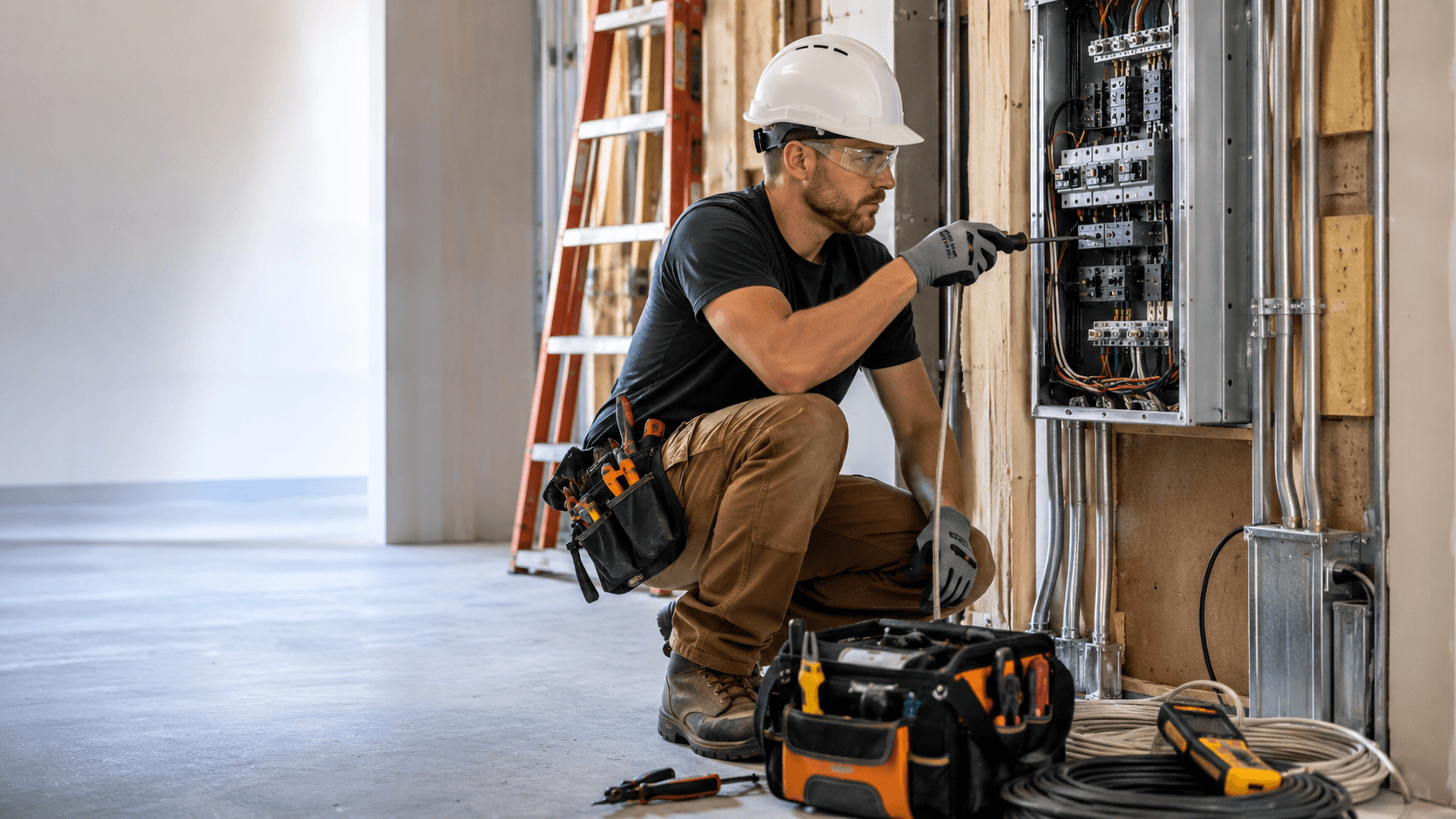
Electricians: Why Workers Compensation Matters Even Before You Hire a Big Crew
Electricians face jobsite risks that can affect employees, owner-operators, subcontractors, vehicles, tools, contracts, and completed work.

June 2026
Buying or Building a Home? Insurance Questions to Handle Before Closing
A practical guide to homeowners insurance questions buyers should review before closing on a new or newly built home.