
June 2026
Buying or Building a Home? Insurance Questions to Handle Before Closing
A practical guide to homeowners insurance questions buyers should review before closing on a new or newly built home.

Buying a home comes with a long checklist: inspections, financing, appraisal, title work, utilities, movers, and a closing date that seems to move every time someone sends another email.
Homeowners insurance is often treated like one more box to check before closing. The lender needs proof of insurance, the buyer needs a premium number, and everyone wants the binder issued on time.
But the policy you choose at closing can matter long after the closing table. In today’s insurance market, homebuyers should pay closer attention to coverage details, roof settlement terms, deductibles, replacement cost estimates, water backup, and liability protection.
The cheapest option is not always the best option, especially if the policy leaves gaps you do not understand until after a claim. The goal is not just to satisfy the lender. The goal is to make sure the home, your belongings, and your financial exposure are protected in a way that makes sense.
If you are financing the home, your lender will usually require proof of homeowners insurance before closing. This is often called an insurance binder or evidence of insurance.
To prepare a quote and finalize lender requirements, your agent may need the property address, closing date, mortgagee clause, loan number, purchase price, roof age, square footage, year built, and information about major updates to the roof, plumbing, electrical, HVAC, or foundation.
If you are building a home, there may be additional questions about who owns the structure during construction, whether the builder carries coverage during the build, and when a permanent homeowners policy should begin.
One common misunderstanding is that home insurance should match the purchase price. Market value and replacement cost are not always the same. Market value includes land, location, acreage, demand, and comparable sales. Replacement cost is the estimated cost to rebuild the structure with similar materials and labor after a covered loss.
Before closing, ask whether the dwelling coverage is based on a current replacement cost estimate, whether extended replacement cost is included, whether detached structures are covered adequately, and whether planned renovations or upgrades are reflected.
Roof coverage is one of the most important questions for Missouri homeowners. Not every policy handles roof claims the same way. Some policies may provide replacement cost coverage for roof damage, while others may settle roof claims on an actual cash value basis, meaning depreciation is deducted.
Before choosing a policy, ask whether the roof is covered at replacement cost or actual cash value, whether roof age affects settlement, whether there is a separate wind or hail deductible, and whether cosmetic roof exclusions or matching limitations apply.
A deductible is the amount you pay out of pocket before insurance applies to a covered claim. Some policies have one deductible for most covered claims and a separate deductible for wind or hail. Some deductibles are flat dollar amounts, while others may be percentage-based.
A higher deductible may reduce premium, but it should still be an amount you could realistically handle after a loss.
Water damage is another area where homeowners insurance is often misunderstood. A standard homeowners policy may cover some sudden and accidental water damage, such as a burst pipe, but other types of water losses may be limited or excluded unless additional coverage is purchased.
Ask about water backup, sump pump overflow, sewer or drain backup, service line coverage, flood insurance, surface water, foundation seepage, and gradual leaks. Flood damage is generally not covered by a standard homeowners policy.
Personal property coverage protects your belongings, but it can be settled in different ways. Some policies may settle personal property claims based on actual cash value, meaning depreciation is deducted. Others may offer replacement cost coverage, which can help replace damaged items with new items of similar kind and quality after a covered loss.
Homeowners insurance also includes personal liability coverage. Liability coverage may apply if someone is injured on your property or if you are responsible for certain injuries or property damage to others.
Consider higher liability limits or an umbrella policy if you have teen drivers, dogs, a pool, a trampoline, ATVs, acreage, rental property, frequent guests, or higher income and assets to protect.
Many homeowners buy a house and immediately start making changes. A new roof, finished basement, kitchen remodel, bathroom remodel, deck, pool, detached garage, fence, or outbuilding can all affect insurance needs.
If you are planning renovations after closing, ask whether the policy should be updated after improvements are complete, whether the replacement cost estimate will change, whether building materials are covered, and whether detached structures or finished spaces need additional attention.
New construction buyers should ask when the builder’s coverage ends, when the homeowners policy should begin, whether the completed home is insured based on replacement cost, and whether upgrades, custom finishes, fences, detached structures, or exterior features are included.
Bundling home and auto can sometimes reduce premium, but the bigger benefit is reviewing the household together. When home and auto are reviewed at the same time, it is easier to evaluate liability limits, umbrella coverage, teen drivers, deductibles, rental reimbursement, and discount opportunities.
Before closing, make sure you understand your dwelling coverage limit, deductible, wind or hail deductible, roof coverage, water backup coverage, personal property coverage, liability limit, detached structures coverage, and whether flood insurance or an umbrella policy should be considered.
If you are buying or building a home, it helps to start the insurance conversation early. Gather the property address, closing date, lender information, and any inspection or roof details you have available. From there, an agent can help review coverage options, prepare proof of insurance for the lender, and explain the policy details before closing day.
Homeowners insurance should not be rushed at the last minute. A few good questions before closing can prevent major surprises later.
Keep reading
Other blog posts
June 2026
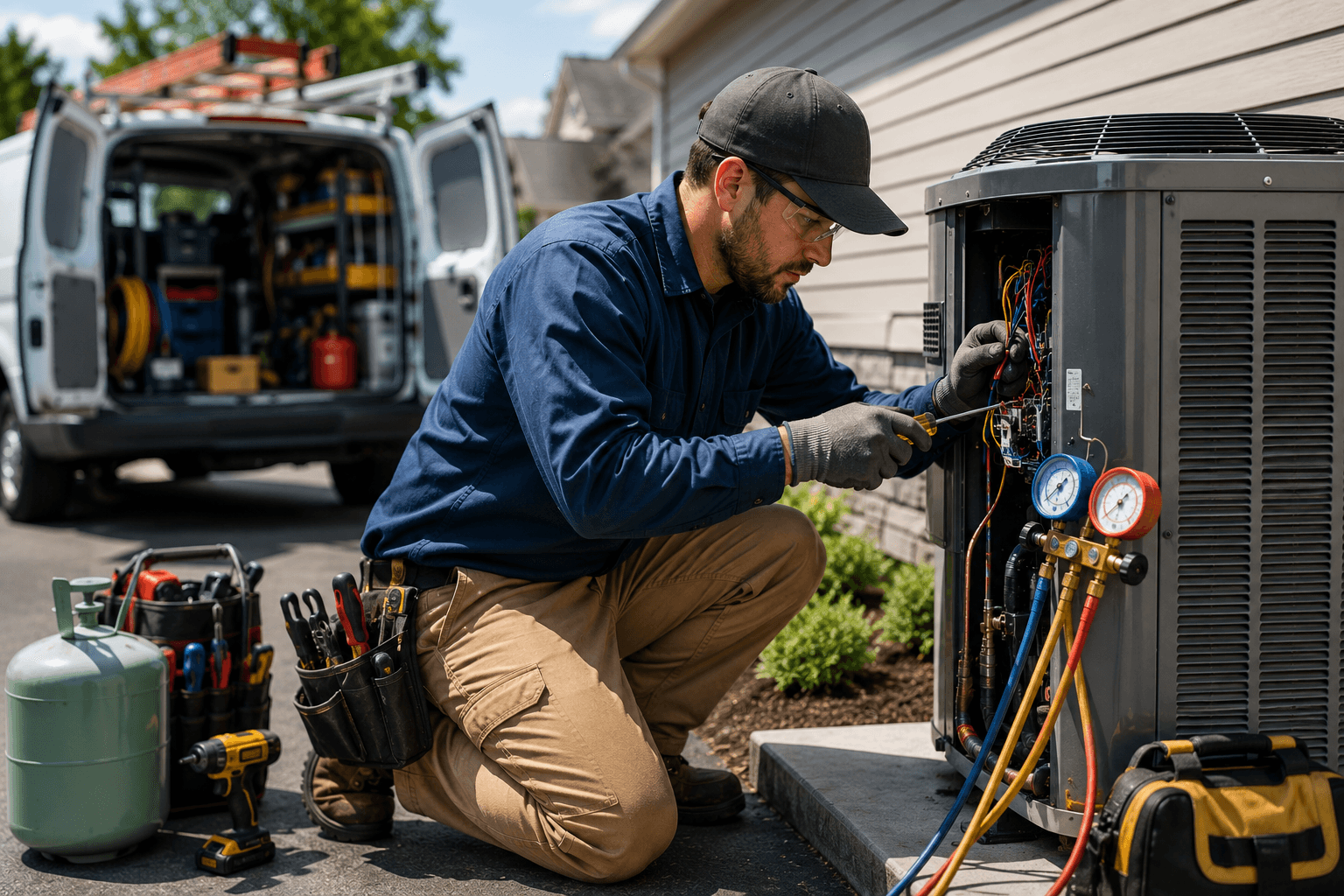
HVAC Contractors: Workers Compensation, Vehicles, Tools, and Jobsite Risk
HVAC contractors face employee injury, auto, tools, equipment, refrigerant, property damage, subcontractor, and certificate issues as the business grows.

June 2026
Contractors: Insurance Issues That Show Up When You Start Winning Bigger Jobs
As contracting businesses grow, certificates, subcontractors, commercial auto, workers compensation, tools, equipment, and audits can become more important.

June 2026
Electricians: Why Workers Compensation Matters Even Before You Hire a Big Crew
Electricians face jobsite risks that can affect employees, owner-operators, subcontractors, vehicles, tools, contracts, and completed work.