
October 2018
Airbnb and Short-Term Rentals: Does Your Home Insurance Still Fit?
Renting a home to paying guests can change the insurance exposure. Homeowners should review coverage before listing a property on Airbnb or another short-term rental platform.
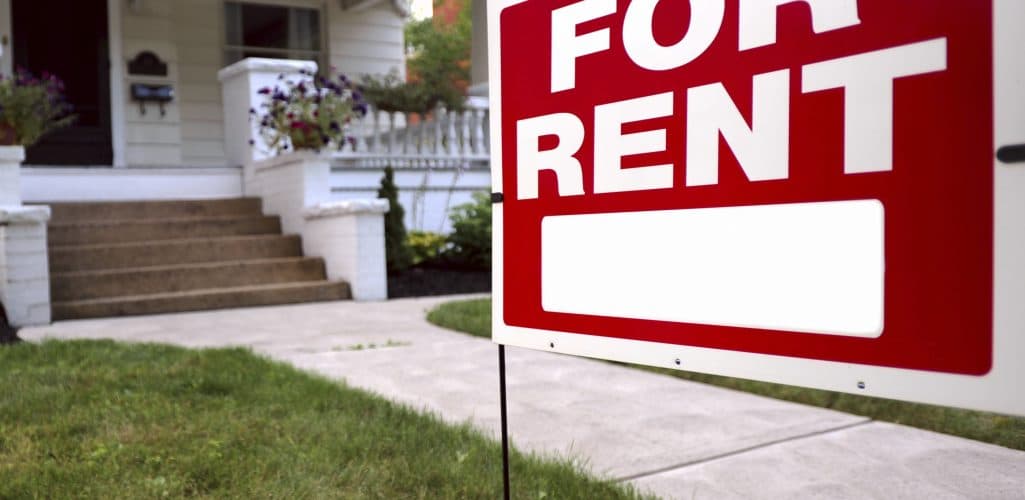
Turning a home into a short-term rental can change how the property is viewed by an insurance company.
A homeowners policy is primarily designed around personal residential use. Accepting paying guests through Airbnb, Vrbo, or another rental platform can introduce a business or rental exposure that may require different coverage.
The correct solution depends on how often the property is rented, whether the owner lives there, whether the entire home or only a portion is rented, the length of each stay, and the insurance company involved.
Some homeowners policies may offer limited endorsements for certain home-sharing exposures. Other situations may require a landlord, vacation rental, dwelling, or commercial policy.
Owners should not assume that protection offered by a booking platform is a substitute for their own insurance.
Property damage is one concern. Guests may damage the building, furniture, appliances, electronics, or other property.
Liability can be an even larger concern. A guest could fall on a stairway, be injured around a pool, allege unsafe conditions, damage neighboring property, or create another situation that leads to a claim.
Short-term rentals may also involve theft, vandalism, water damage, loss of rental income, ordinance requirements, recreational equipment, hot tubs, docks, boats, golf carts, or other exposures not contemplated by an ordinary homeowners policy.
Local laws, homeowners association rules, lender requirements, and zoning restrictions should also be reviewed before offering the property for rent.
If the home is financed, the lender may have insurance requirements that differ from those of a property used entirely as a personal residence.
Owners should tell their insurance agent exactly how the property will be used. Concealing or overlooking rental activity can create serious problems when a claim occurs.
The review should include the property address, occupancy, rental frequency, expected annual rental income, amenities, number of guests, property management arrangements, and any vehicles or recreational equipment made available to renters.
Short-term renting can create useful income, but the insurance program should change with the use of the property. The safest time to address that question is before the first paying guest arrives.
Keep reading
Other blog posts
June 2026
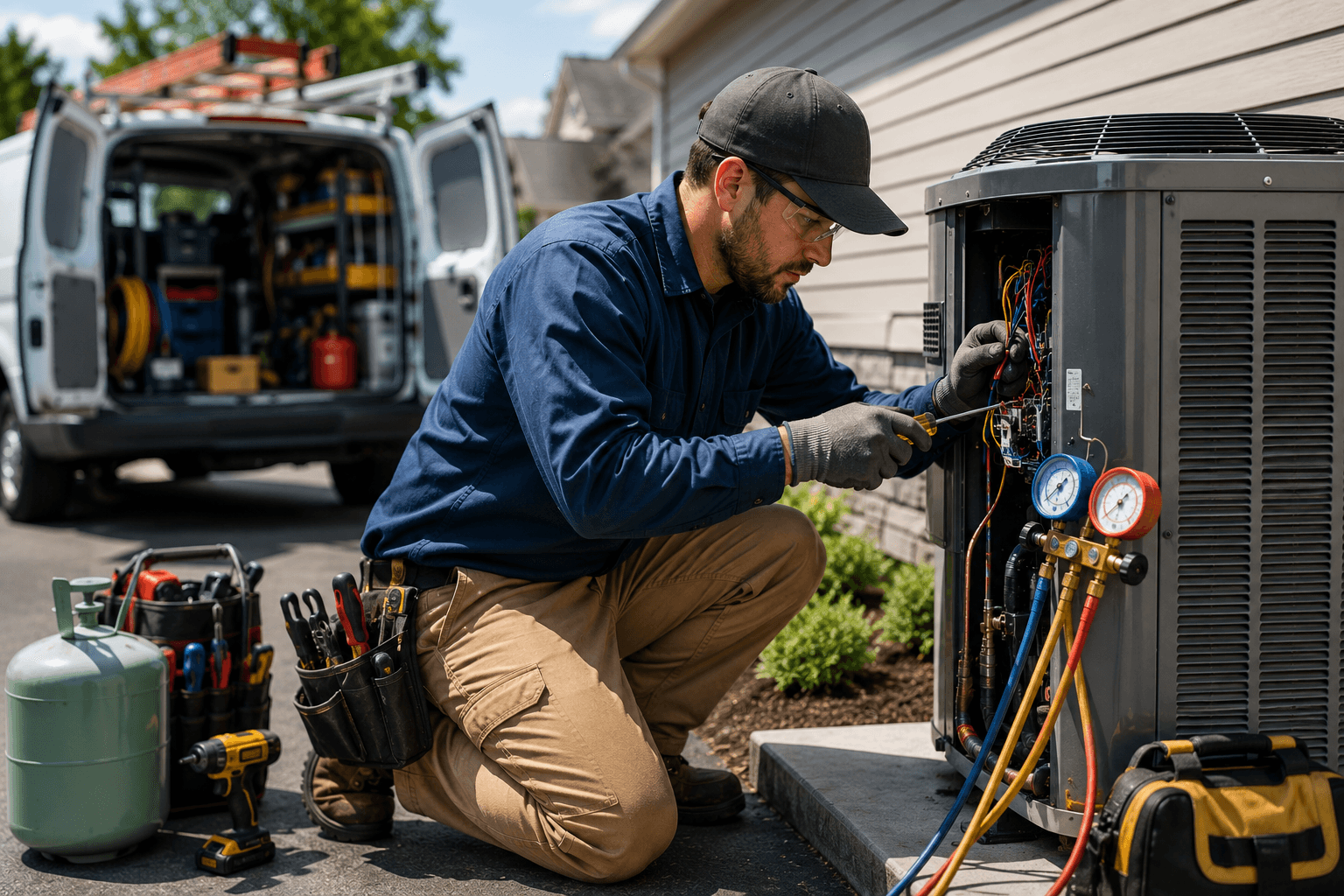
HVAC Contractors: Workers Compensation, Vehicles, Tools, and Jobsite Risk
HVAC contractors face employee injury, auto, tools, equipment, refrigerant, property damage, subcontractor, and certificate issues as the business grows.

June 2026
Contractors: Insurance Issues That Show Up When You Start Winning Bigger Jobs
As contracting businesses grow, certificates, subcontractors, commercial auto, workers compensation, tools, equipment, and audits can become more important.

June 2026
Electricians: Why Workers Compensation Matters Even Before You Hire a Big Crew
Electricians face jobsite risks that can affect employees, owner-operators, subcontractors, vehicles, tools, contracts, and completed work.