
November 2018
Crop Insurance: Protecting a Farming Operation Against an Uncertain Season
Crop insurance can help farmers manage losses caused by weather, yield changes, revenue fluctuations, and other covered agricultural risks.

Farming requires major investments before anyone knows what the season will bring.
Seed, fertilizer, chemicals, land, equipment, fuel, labor, rent, and financing costs can all be committed months before a crop is harvested and sold.
Weather can then change the outcome quickly. Drought, excessive rain, hail, wind, freeze, disease, and other conditions can reduce yield or prevent planting and harvesting.
Crop insurance is one of the tools farmers can use to manage that uncertainty.
Federal crop insurance programs are administered through the U.S. Department of Agriculture's Risk Management Agency and delivered through approved private insurance providers.
Available plans can vary by crop, county, farming practice, and other factors. Coverage may be designed around yield, revenue, or specific named risks depending on the program.
A farmer's production history, acreage, planting dates, crop type, unit structure, elected coverage level, and other information can affect how a policy responds.
Accurate reporting is critical. Acreage, production records, ownership interests, planting information, and changes in the farming operation should be handled carefully and within applicable deadlines.
Crop insurance should also be considered as part of a larger farm risk management program.
Farm property, machinery, grain storage, livestock, farm liability, commercial auto, workers compensation, umbrella liability, pollution exposures, and succession planning may all need separate attention.
Farmers should review coverage before planting rather than after severe weather appears in the forecast. Crop insurance programs operate with sales closing dates and other deadlines that can limit when coverage may be purchased or changed.
A good review should consider the crops being grown, where they are grown, the financial obligations tied to the operation, and how a poor production year would affect cash flow.
No policy can remove the uncertainty of farming, but the right crop insurance strategy can help prevent one difficult season from becoming a threat to the long-term survival of the operation.
Keep reading
Other blog posts
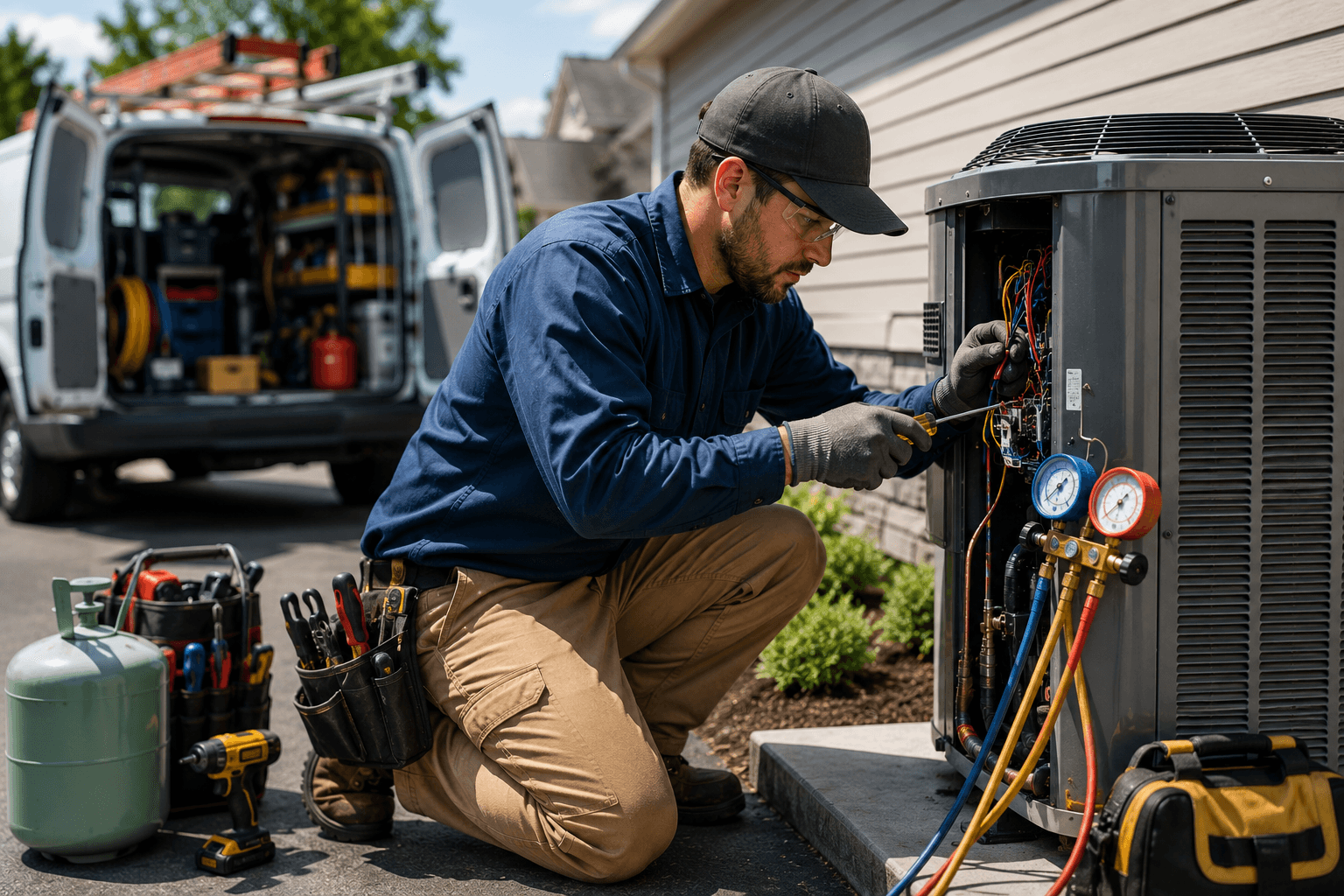
June 2026
HVAC Contractors: Workers Compensation, Vehicles, Tools, and Jobsite Risk
HVAC contractors face employee injury, auto, tools, equipment, refrigerant, property damage, subcontractor, and certificate issues as the business grows.

June 2026
Contractors: Insurance Issues That Show Up When You Start Winning Bigger Jobs
As contracting businesses grow, certificates, subcontractors, commercial auto, workers compensation, tools, equipment, and audits can become more important.

June 2026
Electricians: Why Workers Compensation Matters Even Before You Hire a Big Crew
Electricians face jobsite risks that can affect employees, owner-operators, subcontractors, vehicles, tools, contracts, and completed work.