July 2018
Dental Practice Insurance: Coverage Questions Beyond Malpractice
Dental practices face professional liability, property, cyber, employment, equipment, workers compensation, and business interruption exposures that should be reviewed together.
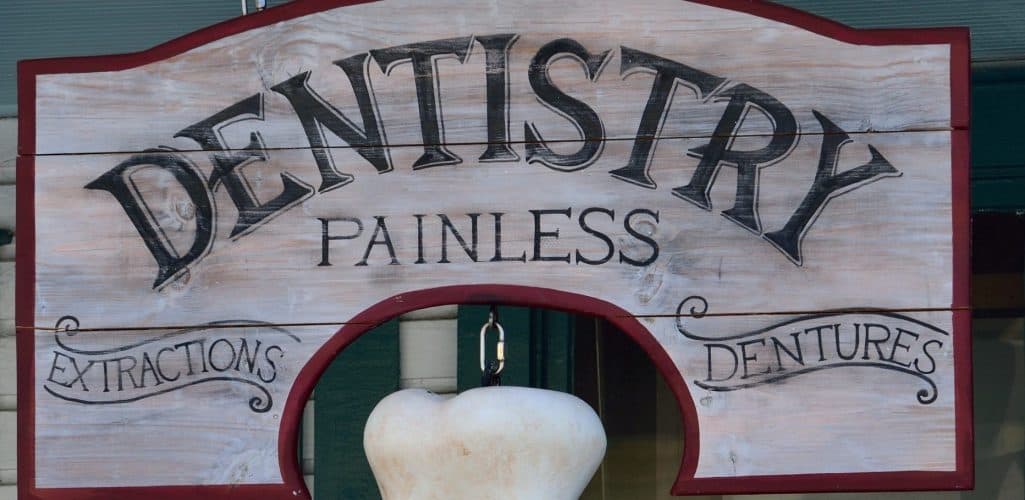
A dental practice combines healthcare, professional services, employees, specialized equipment, sensitive data, and a physical business location.
That means the insurance program often needs to address much more than professional malpractice alone.
Professional liability is a central concern because patients can allege errors, omissions, failure to diagnose, improper treatment, or other harm connected to professional services.
Dentists should confirm who and what locations are covered. A dentist who works at multiple offices, substitutes for another provider, uses temporary professionals, or changes the legal structure of the practice may create coverage questions.
The entity itself may also need to be properly insured. Incorporation, partnerships, associates, and changes in ownership should be communicated to the insurance providers involved.
Property coverage is another major issue. Dental chairs, imaging systems, sterilization equipment, computers, cabinetry, compressors, specialty instruments, tenant improvements, and other equipment can represent a substantial investment.
Equipment breakdown coverage may be important when mechanical or electrical failure could shut down critical systems.
Business income and extra expense coverage can help address certain financial losses when a covered property loss interrupts operations.
Cyber liability deserves special attention because dental practices maintain personal, financial, and health-related information.
Employment practices liability, workers compensation, employee dishonesty, general liability, commercial auto, umbrella liability, and crime coverage may also be relevant depending on the practice.
Practices offering expanded procedures, sedation, implants, cosmetic services, or other specialized care should make sure the services performed are accurately disclosed and contemplated by the professional liability coverage.
Lease agreements and contracts should also be reviewed. A landlord may impose property, liability, indemnification, or insurance requirements that affect how the program should be structured.
Dental practices change over time. New providers, new locations, expensive equipment, added services, renovations, and changes in revenue can all affect insurance needs.
An annual insurance review should therefore look at the entire practice rather than simply renewing the same policies and limits year after year.
Keep reading
Other blog posts
June 2026
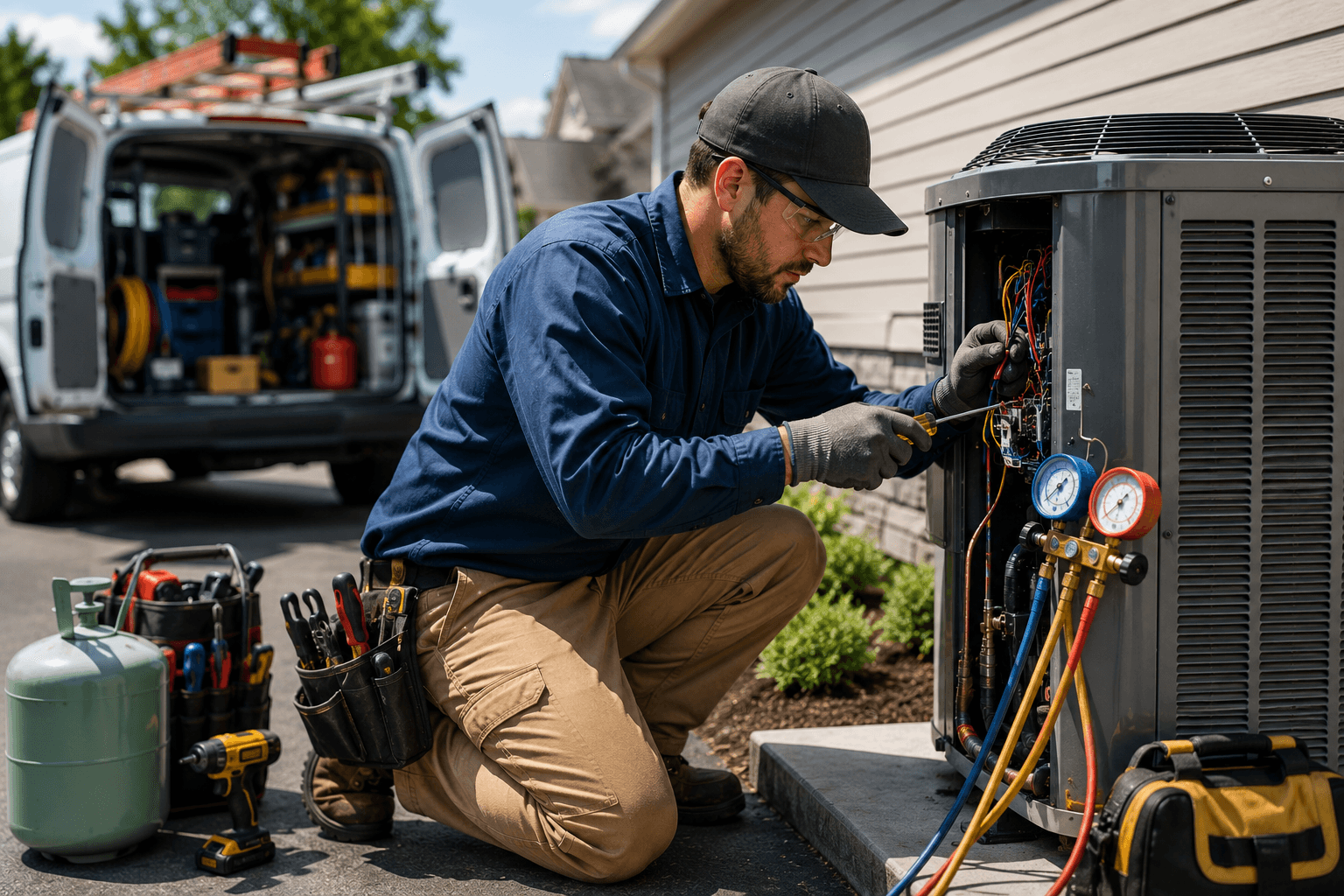
HVAC Contractors: Workers Compensation, Vehicles, Tools, and Jobsite Risk
HVAC contractors face employee injury, auto, tools, equipment, refrigerant, property damage, subcontractor, and certificate issues as the business grows.

June 2026
Contractors: Insurance Issues That Show Up When You Start Winning Bigger Jobs
As contracting businesses grow, certificates, subcontractors, commercial auto, workers compensation, tools, equipment, and audits can become more important.

June 2026
Electricians: Why Workers Compensation Matters Even Before You Hire a Big Crew
Electricians face jobsite risks that can affect employees, owner-operators, subcontractors, vehicles, tools, contracts, and completed work.