July 2018
Do I Need Commercial Auto Insurance for a Business Vehicle?
Vehicle ownership, business use, drivers, equipment, weight, contracts, and required liability limits can all determine whether a personal auto policy is appropriate.
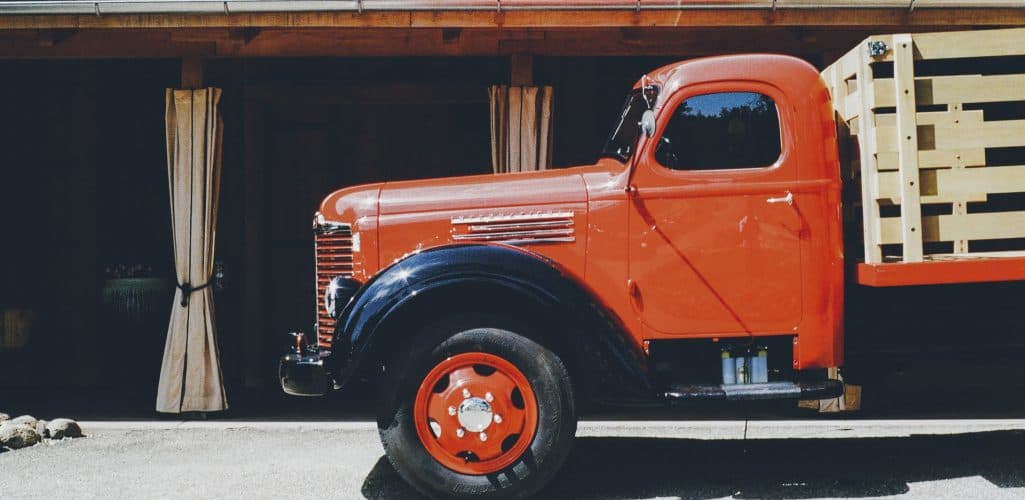
A pickup truck can look like a personal vehicle and still create a commercial auto exposure.
The correct policy depends on more than the type of vehicle. Ownership, use, drivers, equipment, contracts, and the nature of the business all matter.
One of the first questions is how the vehicle is titled. A vehicle owned by a corporation, LLC, partnership, or other business entity will often need to be insured in a way that reflects that ownership.
A personally titled vehicle may still need commercial auto coverage when it is regularly used in business.
Employee use is another important factor. If employees regularly drive the vehicle, the exposure may be very different from an owner occasionally commuting to an office.
The work performed with the vehicle also matters. Delivery, transporting customers for a fee, hauling materials, towing equipment, visiting job sites, carrying tools, and other commercial activities can affect eligibility and coverage.
Vehicle size and configuration can matter as well. Heavy trucks, dump bodies, flatbeds, service bodies, permanently mounted equipment, ladder racks, tanks, plows, and specialized modifications may fall outside the intended scope of some personal auto policies.
Even when limited business use is permitted under a personal auto policy, that does not mean the policy can satisfy every commercial contract.
Businesses may be required to carry higher liability limits, hired and non-owned auto coverage, additional insured provisions where available, waiver of subrogation, or other commercial insurance terms.
Personal auto policies and commercial auto policies also handle business exposures differently. The names of coverages may sound similar while the definitions, exclusions, eligible vehicles, and insured parties differ.
Businesses should also consider vehicles they do not own. Employees may use personal vehicles for errands, sales calls, deliveries, banking, or other company business, creating a potential hired and non-owned auto exposure.
Trailers, mobile equipment, rented vehicles, newly acquired vehicles, and vehicles borrowed from owners or employees can create additional questions.
Never assume that a vehicle is properly insured simply because it is a pickup, van, or passenger car.
A useful review considers who owns it, who drives it, how it is used, what is attached to it, what it carries, where it travels, and what contracts require.
Answering those questions before a loss can help determine whether a personal or commercial auto policy is the better fit.
Keep reading
Other blog posts
June 2026
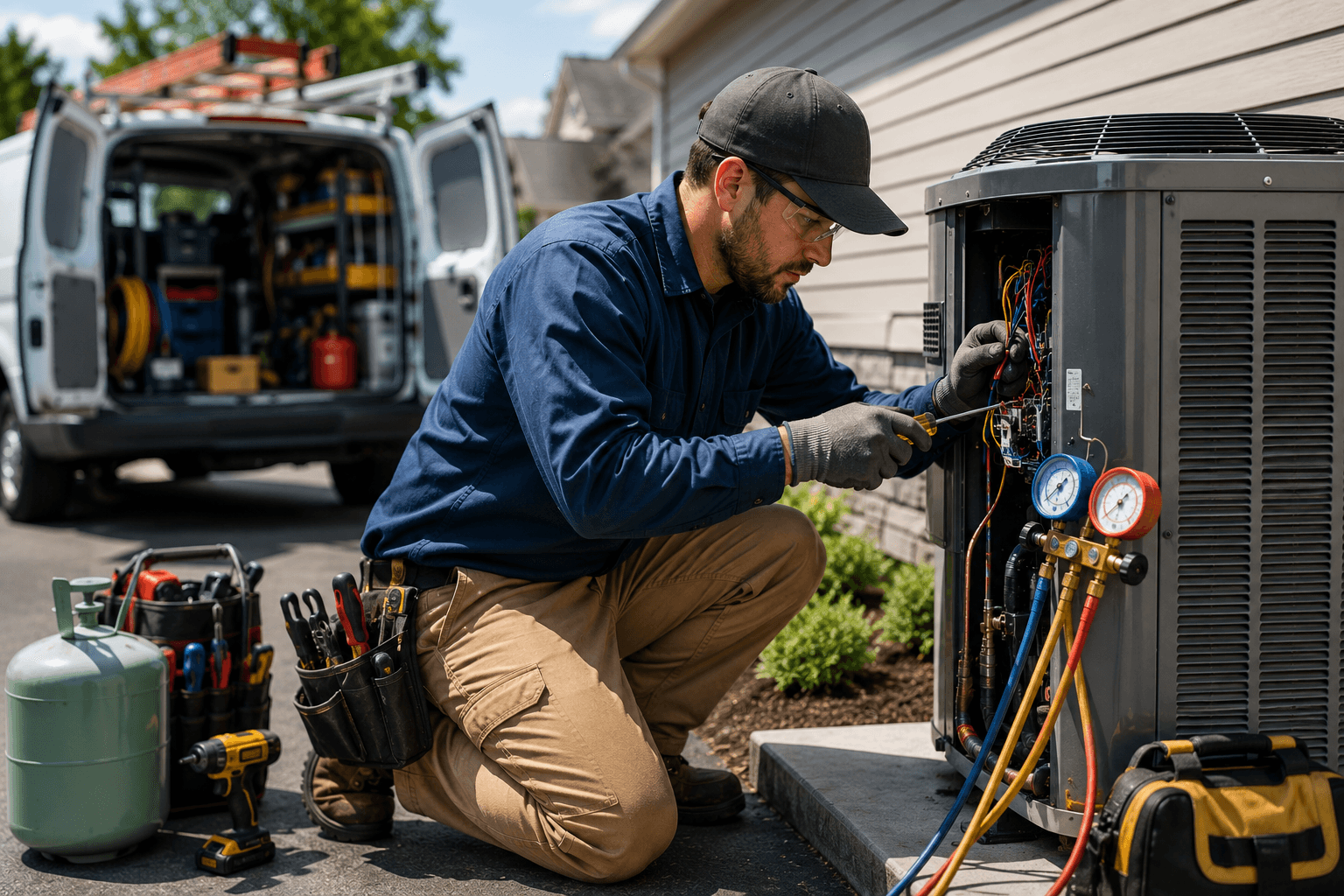
HVAC Contractors: Workers Compensation, Vehicles, Tools, and Jobsite Risk
HVAC contractors face employee injury, auto, tools, equipment, refrigerant, property damage, subcontractor, and certificate issues as the business grows.

June 2026
Contractors: Insurance Issues That Show Up When You Start Winning Bigger Jobs
As contracting businesses grow, certificates, subcontractors, commercial auto, workers compensation, tools, equipment, and audits can become more important.

June 2026
Electricians: Why Workers Compensation Matters Even Before You Hire a Big Crew
Electricians face jobsite risks that can affect employees, owner-operators, subcontractors, vehicles, tools, contracts, and completed work.