
March 2017
Five Insurance and Risk Management Rules for Landlords
Rental property can produce income, but poor property selection, weak tenant screening, deferred maintenance, inadequate insurance, and inconsistent documentation can turn a rental into an expensive liability.

Owning rental property can be a good investment, but it is not passive simply because rent arrives each month.
Landlords take on property, liability, maintenance, tenant, financial, and legal exposures that should be managed deliberately.
Rule one: perform due diligence before buying the property.
A low purchase price can be attractive, but deferred maintenance, outdated electrical systems, old roofs, plumbing problems, vacancy, prior damage, or difficult insurability can quickly erase the expected return.
Rule two: understand how the property will be insured before closing.
A rental dwelling is not the same exposure as an owner-occupied home. Coverage may vary based on occupancy, number of units, short-term versus long-term rental use, renovation status, vacancy, property condition, and ownership structure.
Rule three: screen tenants consistently and lawfully.
A written application process, documented criteria, lease agreements, and compliance with applicable housing laws can help reduce disputes and create a more consistent rental operation.
Rule four: maintain the property and document important work.
Roofs, stairs, handrails, smoke alarms, electrical systems, plumbing, heating equipment, walkways, trees, and other property conditions can become both maintenance expenses and liability exposures.
Photos, inspection records, invoices, leases, communications, and repair documentation can become important when a claim or dispute occurs.
Rule five: treat the rental like a business.
Keep appropriate financial records, understand the ownership structure, use written leases, require insurance when appropriate, establish procedures for maintenance requests, and review liability limits.
Landlords should also consider whether tenants are required to maintain renters insurance. A tenant's policy can protect the tenant's belongings and provide personal liability coverage, although it does not replace the landlord's own insurance.
Umbrella or excess liability may deserve consideration when a landlord owns multiple properties or has significant assets to protect.
Properties owned by LLCs, partnerships, trusts, or other entities should be reviewed carefully so that the named insureds and ownership shown on the policies match the actual arrangement.
Good rental property management is not about eliminating every problem. It is about reducing preventable losses and making sure the insurance program reflects how the property is actually owned and used.
Keep reading
Other blog posts
June 2026
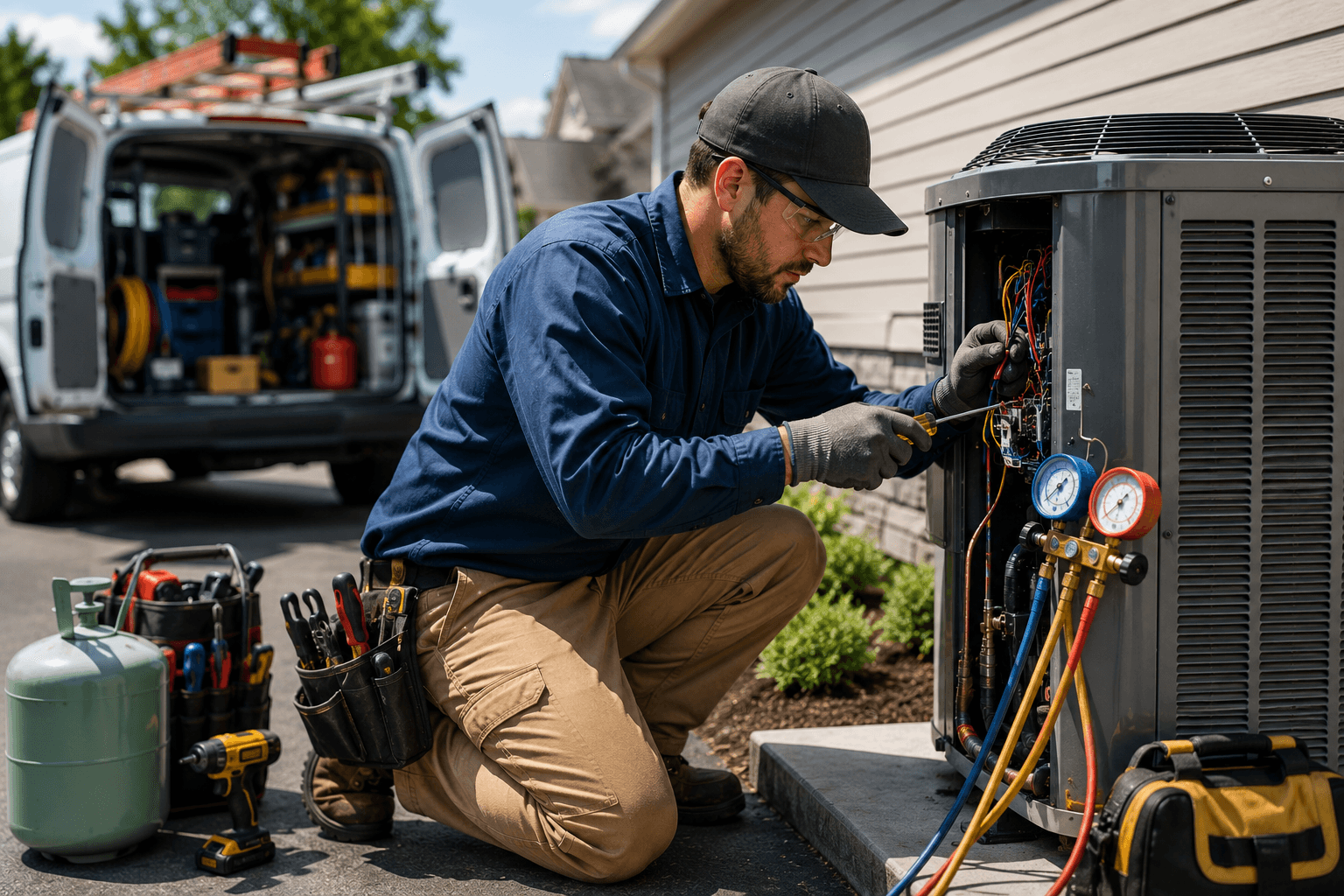
HVAC Contractors: Workers Compensation, Vehicles, Tools, and Jobsite Risk
HVAC contractors face employee injury, auto, tools, equipment, refrigerant, property damage, subcontractor, and certificate issues as the business grows.

June 2026
Contractors: Insurance Issues That Show Up When You Start Winning Bigger Jobs
As contracting businesses grow, certificates, subcontractors, commercial auto, workers compensation, tools, equipment, and audits can become more important.

June 2026
Electricians: Why Workers Compensation Matters Even Before You Hire a Big Crew
Electricians face jobsite risks that can affect employees, owner-operators, subcontractors, vehicles, tools, contracts, and completed work.