
November 2018
House of Worship Insurance: Protecting More Than a Building
Churches and other houses of worship may need protection for property, liability, employees, volunteers, vehicles, programs, counseling, events, and other ministry-related exposures.
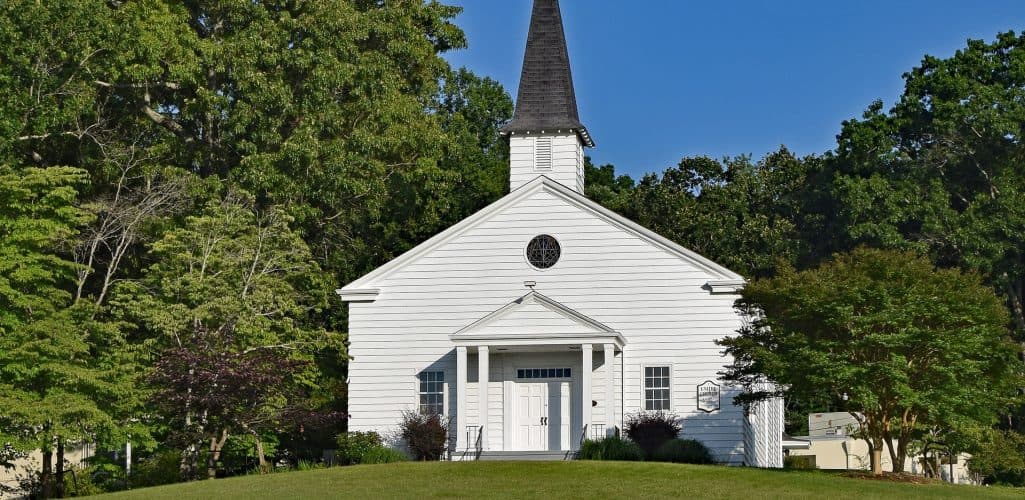
A house of worship is more than a building. It may be a sanctuary, school, meeting place, counseling center, daycare, community kitchen, event venue, office, and gathering place all at once.
That variety of activity creates insurance needs that can be very different from those of an ordinary commercial building.
Property coverage may need to account for the main structure, stained glass, organs, sound and media equipment, furniture, kitchens, signs, detached buildings, playgrounds, and other specialized property.
Replacement cost should be reviewed carefully. Older masonry, custom woodwork, historic construction, religious artwork, and specialized architectural features can be expensive to repair or replace after a major loss.
Liability exposures can include slips and falls, events, food service, volunteers, youth activities, recreational programs, counseling, transportation, premises use by outside groups, and many other activities.
Houses of worship that operate schools, preschools, daycare programs, camps, or other ministries may need additional coverage designed for those operations.
Abuse and molestation coverage, employment practices liability, directors and officers liability, cyber liability, crime, workers compensation, commercial auto, and umbrella or excess liability may also deserve consideration.
Volunteer activity should not be overlooked. Volunteers may drive vehicles, supervise children, perform maintenance, handle money, organize events, or travel on behalf of the organization.
If the organization owns vans, buses, trailers, or other vehicles, those exposures should be reviewed separately. Driver screening and vehicle use policies can be important parts of risk management.
Financial controls also matter. Churches and nonprofit organizations may handle donations, electronic payments, payroll, and confidential information, creating potential crime and cyber exposures.
Disaster planning can help a congregation recover more quickly after a fire, storm, water loss, or other major event. Important records should be backed up and leadership should know how operations would continue if the primary building became unusable.
Insurance policies vary substantially in the endorsements and exclusions they provide for religious organizations. A generic commercial package should not automatically be assumed to address every ministry activity.
A useful insurance review begins with a complete list of buildings, programs, employees, volunteers, vehicles, events, outreach activities, and organizations that use the premises.
The goal is to protect the property and financial resources that allow the congregation to continue serving its members and community after an unexpected loss.
Keep reading
Other blog posts
June 2026
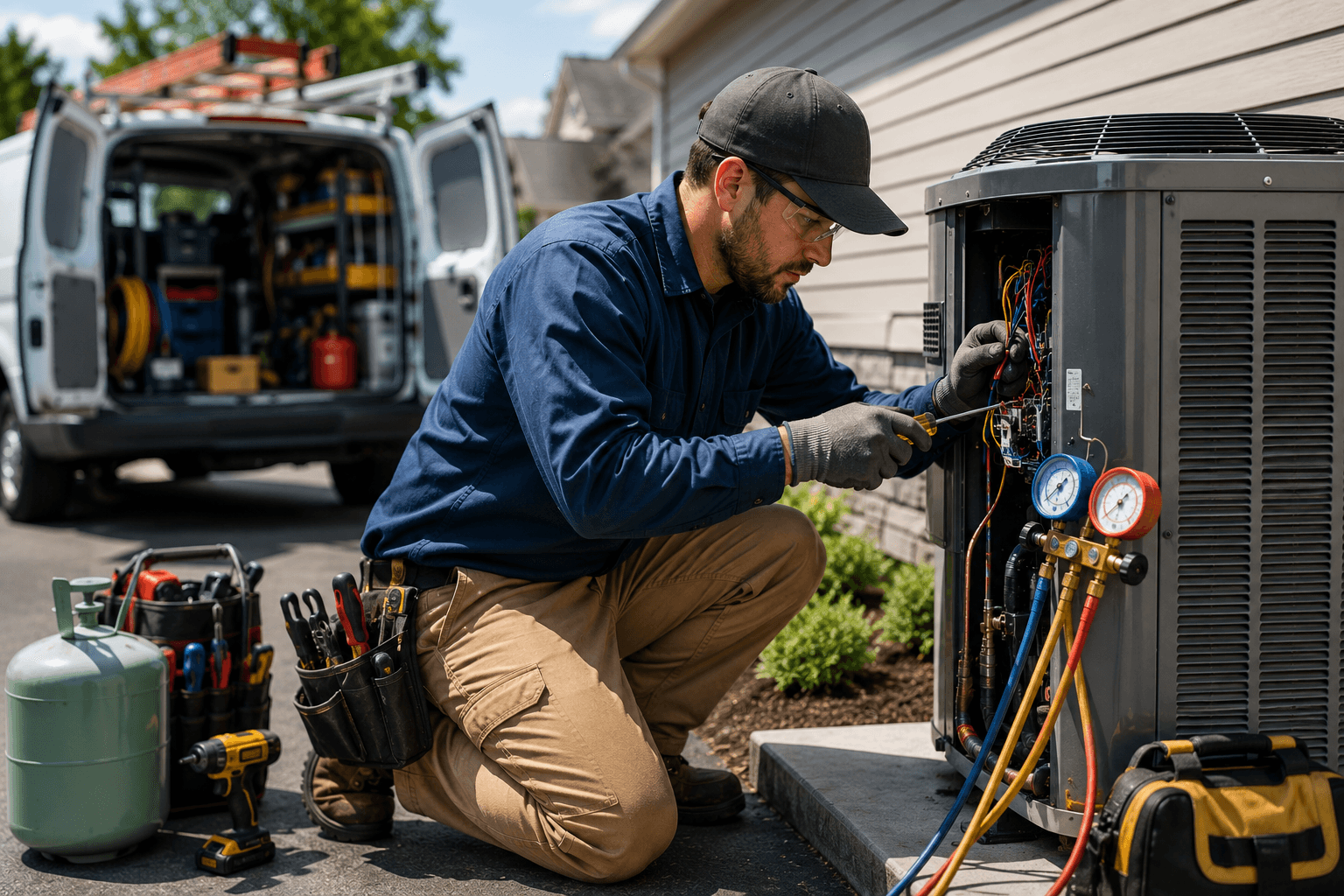
HVAC Contractors: Workers Compensation, Vehicles, Tools, and Jobsite Risk
HVAC contractors face employee injury, auto, tools, equipment, refrigerant, property damage, subcontractor, and certificate issues as the business grows.

June 2026
Contractors: Insurance Issues That Show Up When You Start Winning Bigger Jobs
As contracting businesses grow, certificates, subcontractors, commercial auto, workers compensation, tools, equipment, and audits can become more important.

June 2026
Electricians: Why Workers Compensation Matters Even Before You Hire a Big Crew
Electricians face jobsite risks that can affect employees, owner-operators, subcontractors, vehicles, tools, contracts, and completed work.