
December 2018
Longshore and Harbor Workers' Compensation: Understanding the Exposure
Businesses performing maritime work on or near navigable waters may face federal workers compensation obligations that differ from ordinary state workers compensation requirements.
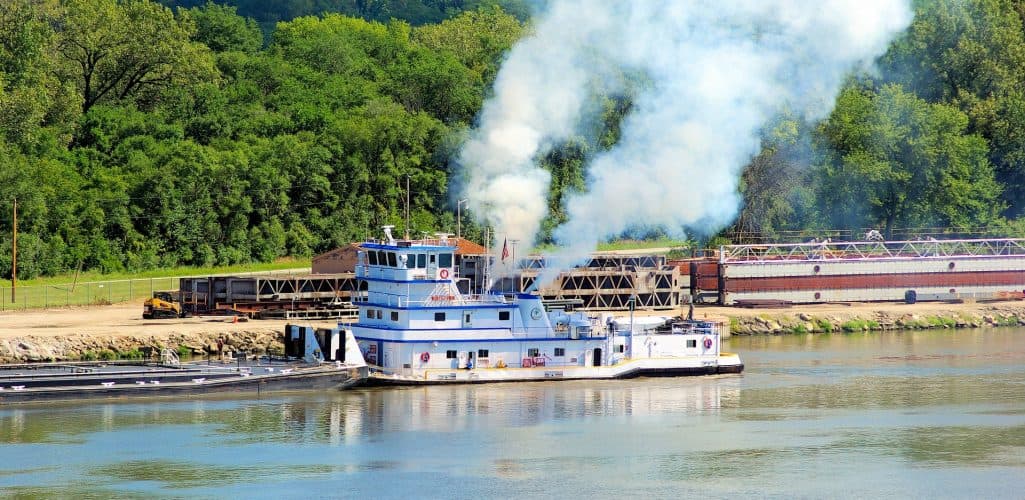
Workers compensation becomes more complicated when employees perform maritime work on or near navigable waters.
The Longshore and Harbor Workers' Compensation Act, commonly referred to as the LHWCA or Longshore Act, is a federal law that can provide workers compensation benefits to certain maritime employees.
The exposure can affect businesses involved with shipyards, docks, terminals, marine construction, cargo handling, vessel repair, and other operations connected to navigable waters.
Determining whether the Act applies is not as simple as asking whether an employee works near water. Coverage questions generally involve both the type of work being performed and where the work occurs.
A business may therefore have employees covered by a state workers compensation system, employees subject to federal maritime requirements, or a combination depending on its operations.
This distinction matters because an ordinary state workers compensation policy should not automatically be assumed to satisfy every federal maritime obligation.
The consequences of an uninsured or improperly insured Longshore exposure can be significant. Employers may face benefit obligations, penalties, litigation, or contractual problems if required coverage was not arranged.
Businesses should pay particular attention when beginning work at ports, docks, shipyards, terminals, waterfront construction sites, bridges, or other locations where employees may perform maritime-related duties.
Contract requirements can also reveal an exposure. A project owner or hiring contractor may require proof of Longshore coverage before allowing work to begin.
Other federal laws can affect certain specialized operations, including work performed overseas under government contracts or work connected to offshore resources. These exposures should be reviewed individually.
Job duties matter. So do temporary assignments. A company that does not consider itself a maritime business may still create a Longshore question when employees are sent to perform particular work at a covered location.
Before starting a waterfront or maritime project, employers should describe the work, locations, employee duties, contracts, and use of subcontractors to an insurance professional familiar with workers compensation and maritime exposures.
The goal is to determine the applicable requirements before an injury occurs rather than discovering after a claim that a different form of workers compensation protection was needed.
Keep reading
Other blog posts
June 2026
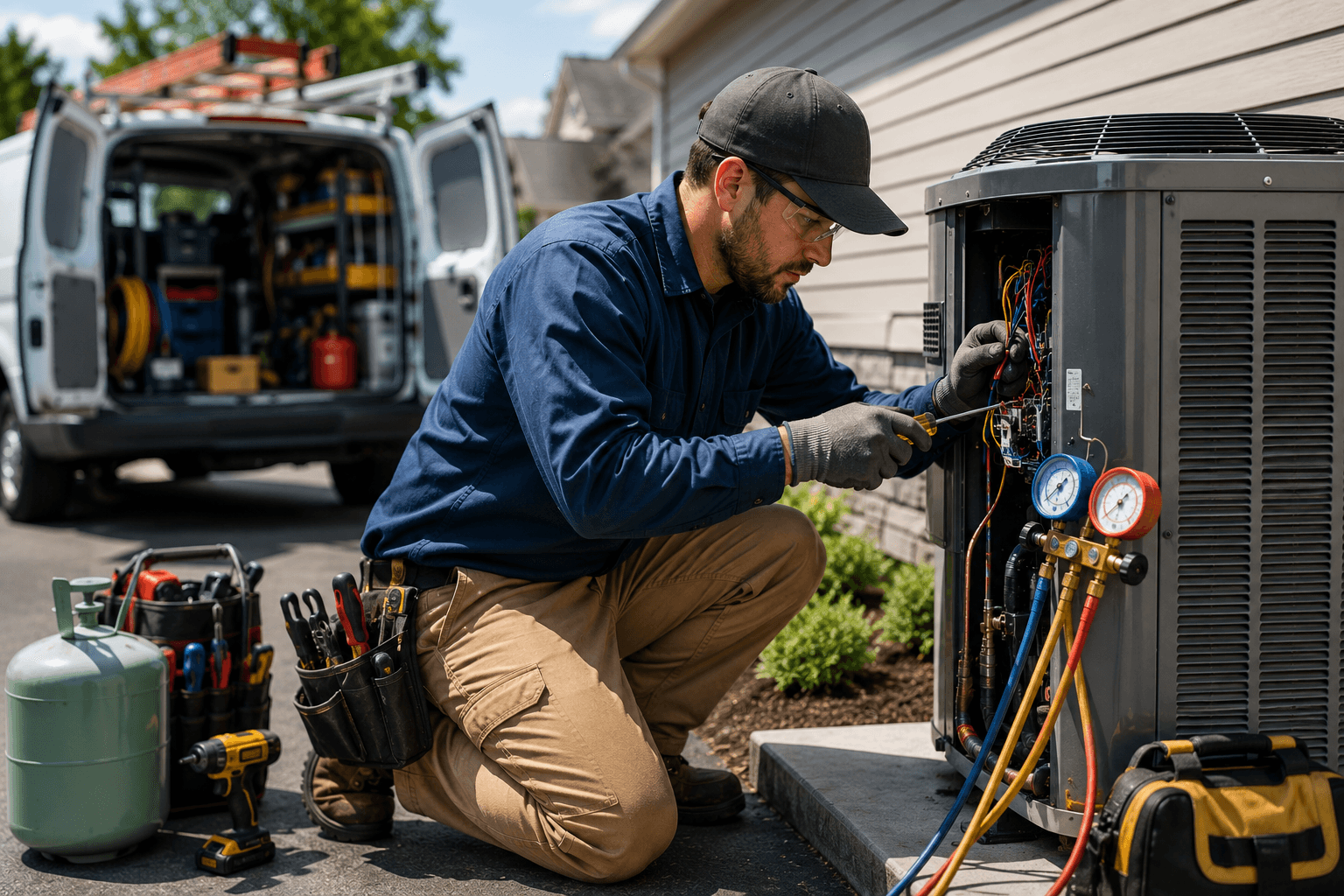
HVAC Contractors: Workers Compensation, Vehicles, Tools, and Jobsite Risk
HVAC contractors face employee injury, auto, tools, equipment, refrigerant, property damage, subcontractor, and certificate issues as the business grows.

June 2026
Contractors: Insurance Issues That Show Up When You Start Winning Bigger Jobs
As contracting businesses grow, certificates, subcontractors, commercial auto, workers compensation, tools, equipment, and audits can become more important.

June 2026
Electricians: Why Workers Compensation Matters Even Before You Hire a Big Crew
Electricians face jobsite risks that can affect employees, owner-operators, subcontractors, vehicles, tools, contracts, and completed work.