
June 2026
Powersports and Recreational Vehicles: Why Your Toys Still Need Insurance
Motorcycles, ATVs, UTVs, boats, campers, golf carts, and other recreational vehicles can create liability, theft, damage, and coverage gaps.
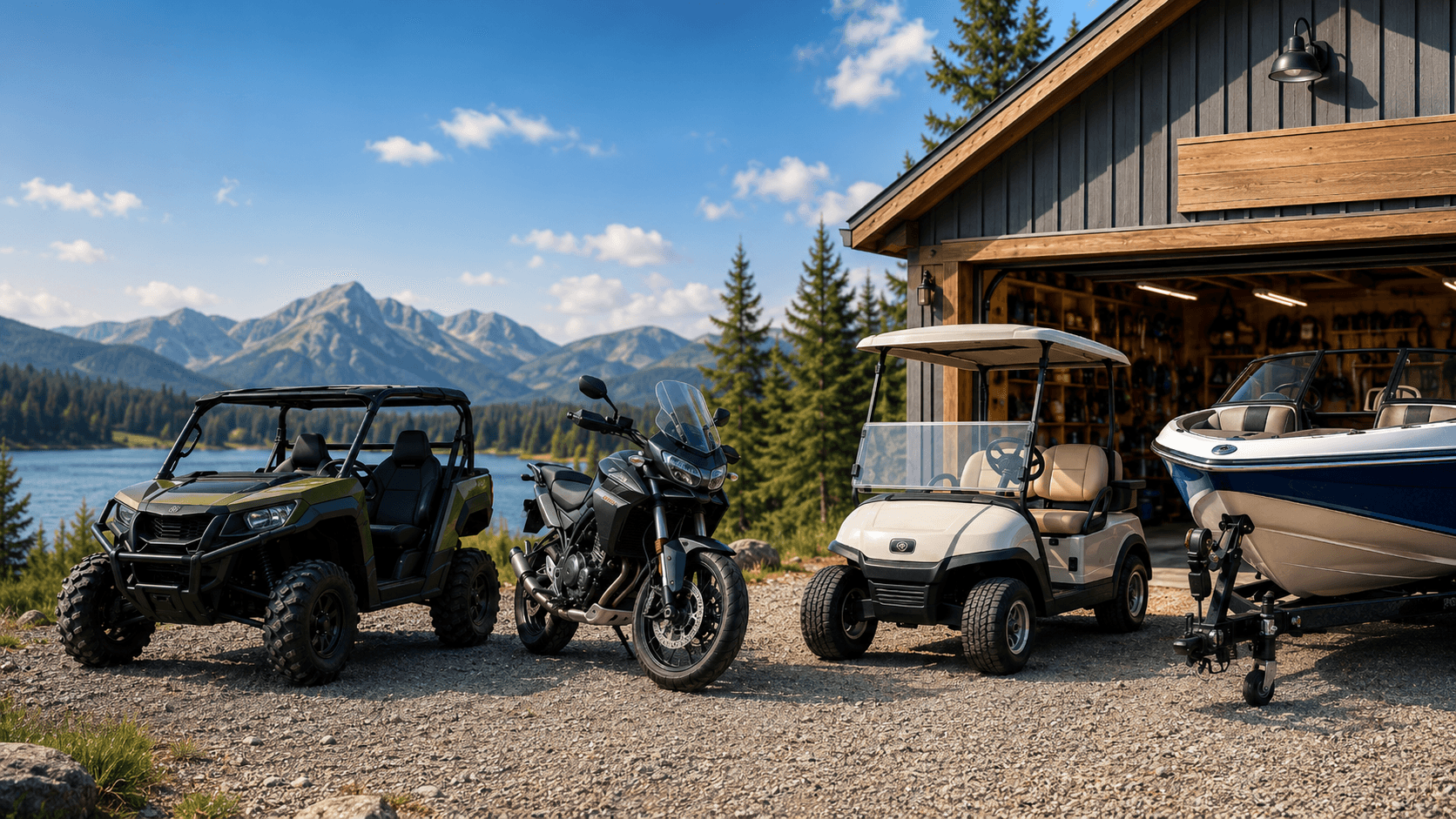
Recreational vehicles are easy to think of as toys until something goes wrong. A motorcycle gets laid down. A side-by-side rolls over. A golf cart hits a parked vehicle. An ATV is stolen from a trailer. A camper is damaged in a storm. A boat causes injury on the water.
That is when insurance details matter.
Powersports and recreational vehicles can include motorcycles, dirt bikes, ATVs, UTVs, side-by-sides, boats, personal watercraft, campers, travel trailers, motorhomes, snowmobiles, golf carts, and other specialty vehicles.
Many people assume these items are automatically covered by their home or auto insurance. Sometimes there may be limited coverage in certain situations, but it is risky to assume that a homeowners or personal auto policy fully protects a recreational vehicle.
The right policy depends on what the vehicle is, where it is used, how fast it can go, whether it is titled or registered, whether it is financed, whether it is used on public roads, and whether passengers or other drivers are involved.
Liability is one of the biggest reasons to review coverage. If someone is injured or property is damaged, the question becomes whether the policy responds and how much protection is available.
A recreational vehicle can create liability on a road, trail, lake, campsite, private property, neighborhood street, farm, or vacation property. The location matters because policies may treat on-road, off-road, and off-premises use differently.
Physical damage coverage is also important. Collision, rollover, theft, fire, vandalism, hail, falling objects, and trailer-related damage can be expensive.
Owners should ask whether the vehicle is covered for actual cash value, stated amount, agreed value, or another valuation method. Accessories, upgrades, custom parts, safety gear, trailers, and permanently attached equipment may need separate attention.
ATVs, UTVs, and side-by-sides are especially easy to underinsure. They can be expensive, modified, transported on trailers, used by friends or family members, and operated in places where accidents can happen quickly.
Motorcycles need their own review as well. Important questions may include liability limits, uninsured or underinsured motorist coverage, medical payments, passenger liability, accessory coverage, custom parts, roadside assistance, and whether the bike is stored seasonally.
Boats and personal watercraft bring another set of questions. Coverage may involve liability, physical damage, trailers, motors, fishing equipment, navigation equipment, fuel spill liability, towing, wreck removal, and where the boat is used.
Campers, travel trailers, and motorhomes should also be reviewed carefully. A motorhome is not the same risk as a pull-behind camper, and a camper used for occasional weekends is different from one parked at a seasonal site.
Golf carts are a common coverage gap. Some people use them around neighborhoods, lake communities, farms, campgrounds, resorts, golf courses, private property, or local roads where allowed.
A golf cart may seem harmless, but it can still cause injuries or property damage. Modified golf carts, faster carts, lifted carts, carts with extra seats, and carts used away from the home can create additional questions.
Owners should ask whether the golf cart is covered on the homeowners policy, whether it needs a separate policy, whether coverage applies off premises, whether it is street legal, who is allowed to drive it, and whether passengers are covered.
Financing can also create insurance requirements. A lender may require physical damage coverage, specific deductibles, or proof of insurance before or after purchase.
Storage is another issue. Some recreational vehicles sit unused for months, but theft, fire, vandalism, falling trees, hail, rodents, and storm damage can still happen while the vehicle is parked.
Canceling coverage during the off-season can create gaps. It may also remove protection for theft, weather damage, vandalism, or liability connected to stored vehicles.
Umbrella liability should be reviewed when recreational vehicles are involved. Not every umbrella automatically covers every toy, especially if the underlying policy is missing or the vehicle type is excluded.
Before assuming coverage exists, owners should make a list of recreational vehicles, trailers, accessories, operators, storage locations, and where each vehicle is used.
Helpful review questions include: Is it titled or registered? Is it financed? Is it used on public roads? Is it used off premises? Can friends or family drive it? Are passengers common? Is it modified? Is it trailered? Where is it stored? What would it cost to replace?
Recreational vehicles are meant to be fun. Insurance is not about taking the fun out of them. It is about making sure one accident, theft, storm, or lawsuit does not turn a weekend hobby into a major financial problem.
If you own a motorcycle, ATV, UTV, side-by-side, boat, camper, golf cart, or other recreational vehicle, it may be worth reviewing how it is insured before the next ride, trip, trail day, lake weekend, or camping season.
Keep reading
Other blog posts
June 2026
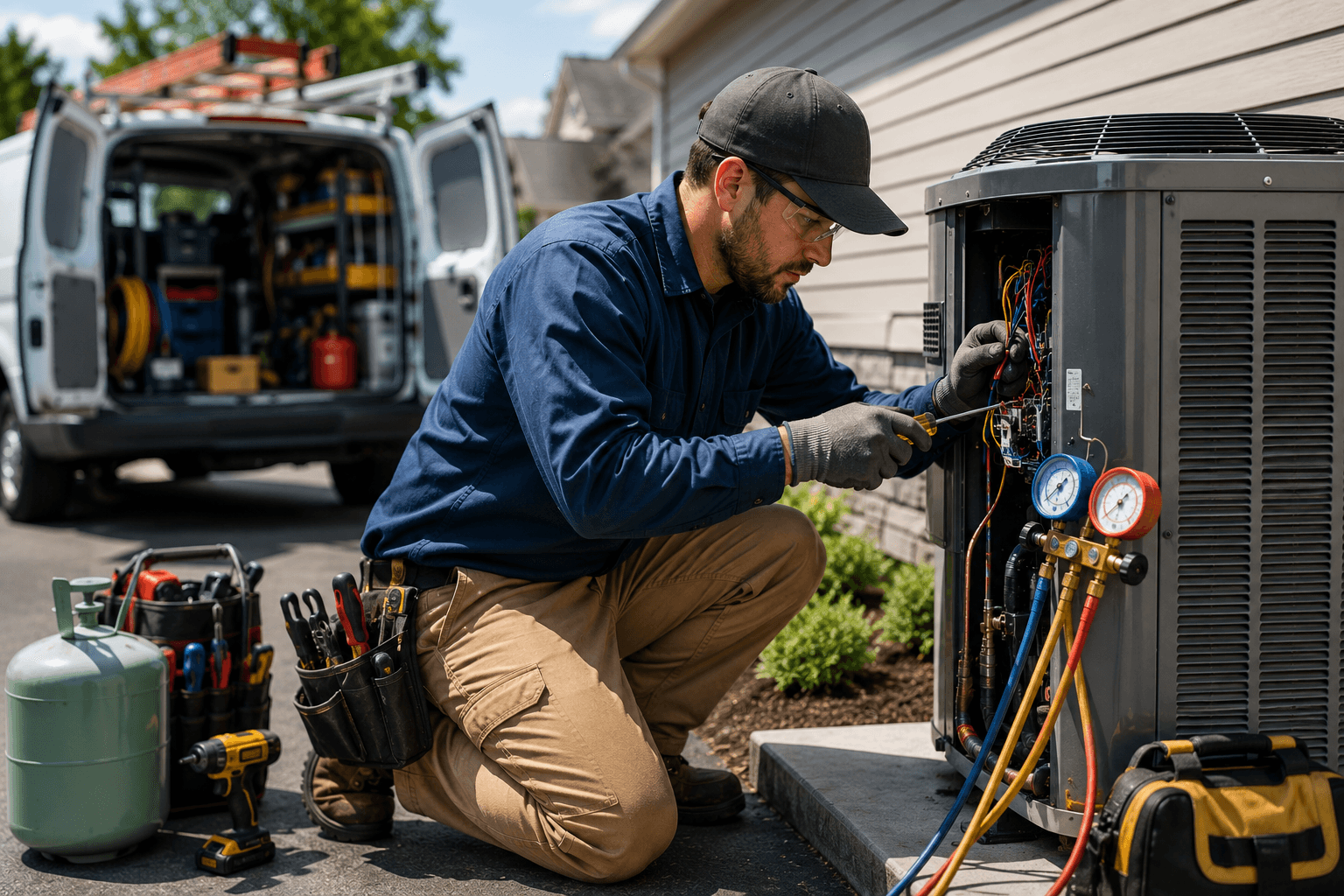
HVAC Contractors: Workers Compensation, Vehicles, Tools, and Jobsite Risk
HVAC contractors face employee injury, auto, tools, equipment, refrigerant, property damage, subcontractor, and certificate issues as the business grows.

June 2026
Contractors: Insurance Issues That Show Up When You Start Winning Bigger Jobs
As contracting businesses grow, certificates, subcontractors, commercial auto, workers compensation, tools, equipment, and audits can become more important.
June 2026
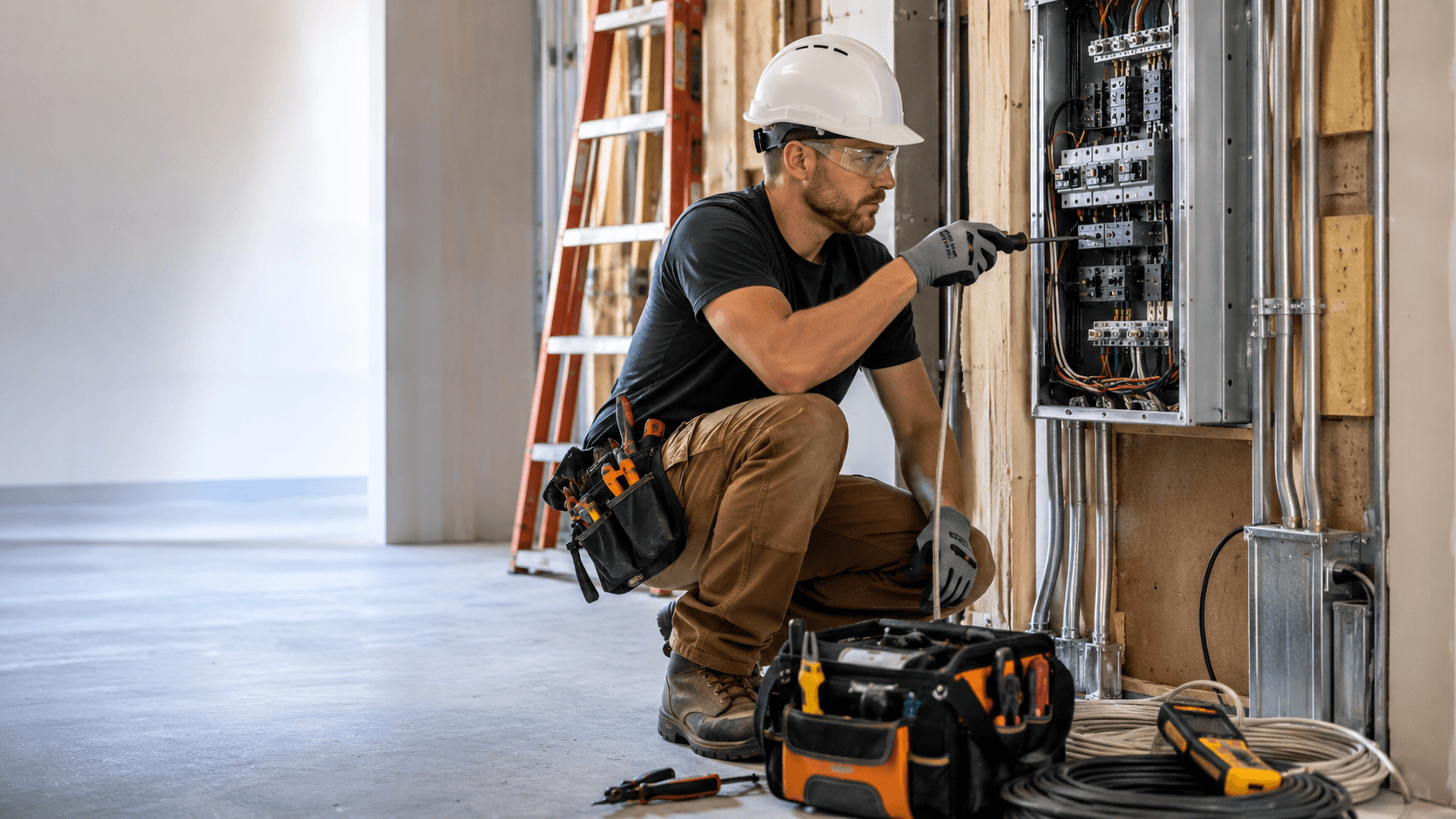
Electricians: Why Workers Compensation Matters Even Before You Hire a Big Crew
Electricians face jobsite risks that can affect employees, owner-operators, subcontractors, vehicles, tools, contracts, and completed work.