
February 2019
Railroad Protective Liability: What Contractors Need to Know
Contractors working on or near railroad property may face insurance requirements and liability exposures that a standard general liability policy may not fully address.
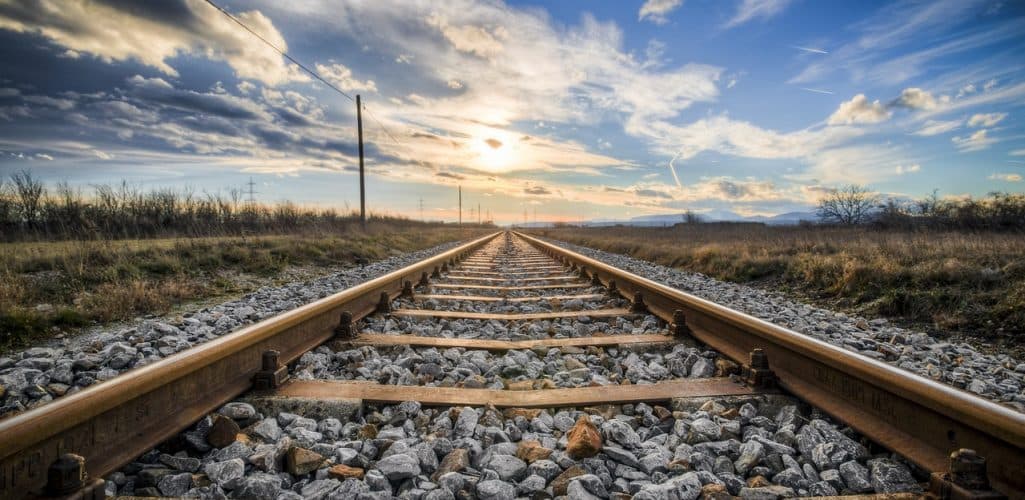
Work performed on or near railroad property creates a unique set of risks. Heavy equipment, moving trains, bridges, crossings, signals, tracks, underground utilities, and valuable railroad infrastructure can all increase the severity of a loss.
For contractors, one of the most common insurance requirements connected to this work is Railroad Protective Liability, often called RPL.
An RPL policy is generally designed for a specific railroad project and protects the railroad named in the policy against certain liability arising from work performed by contractors or subcontractors at the designated job location.
A standard commercial general liability policy should not automatically be assumed to satisfy every railroad contract. Railroad agreements may contain specialized insurance requirements, exclusions, indemnification provisions, and limits that need to be reviewed before work begins.
Contractors may encounter RPL requirements when working on or near railroad tracks, rights-of-way, crossings, bridges, tunnels, roadbeds, trestles, signals, or other railroad-owned property.
The exact distance or circumstances that trigger an RPL requirement can depend on the railroad, the contract, the project, and the insurance specifications. The contract should be reviewed rather than relying on a general rule of thumb.
Railroad work can also involve hazards such as excavation, demolition, blasting, collapse, underground damage, and the use of large construction equipment. These exposures may require additional attention beyond the RPL policy itself.
An RPL policy may address bodily injury and property damage arising from the contractor's operations at the covered job site. Depending on the policy, it may also address certain physical damage to railroad property caused by covered operations.
Coverage is typically tied closely to the project described in the policy. The named railroad, project location, scope of work, policy period, limits, and contract requirements all matter.
Contractors should also review their own general liability, workers compensation, commercial auto, umbrella or excess liability, pollution, professional liability, and equipment coverage when appropriate for the work being performed.
Certificates of insurance alone do not create coverage. If a railroad or general contractor requires additional insured status, waiver of subrogation, specific limits, or other endorsements, those requirements need to be supported by the actual policy.
Railroad projects can be difficult to place because not every insurance carrier is willing to write the exposure. The nature of the work, proximity to active tracks, contract value, project duration, loss history, and railroad involved may affect availability and pricing.
Before bidding or signing a railroad contract, contractors should identify the insurance requirements early. Waiting until the project is ready to start can create delays if specialized coverage is required.
A careful review of the contract, existing insurance program, and project-specific requirements can help prevent a coverage gap from becoming a major financial problem after a loss.
Keep reading
Other blog posts
June 2026
HVAC Contractors: Workers Compensation, Vehicles, Tools, and Jobsite Risk
HVAC contractors face employee injury, auto, tools, equipment, refrigerant, property damage, subcontractor, and certificate issues as the business grows.

June 2026
Contractors: Insurance Issues That Show Up When You Start Winning Bigger Jobs
As contracting businesses grow, certificates, subcontractors, commercial auto, workers compensation, tools, equipment, and audits can become more important.
June 2026
Electricians: Why Workers Compensation Matters Even Before You Hire a Big Crew
Electricians face jobsite risks that can affect employees, owner-operators, subcontractors, vehicles, tools, contracts, and completed work.