January 2019
Risk Management: More Than Buying Business Insurance
Commercial insurance is only one part of protecting a business. Risk management starts by identifying exposures, reducing preventable losses, and deciding how remaining risks should be financed.

Business insurance is important, but buying a policy is not the same thing as managing risk.
Risk management is the process of identifying the things that could cause financial loss, evaluating how serious those losses could be, deciding how to reduce or control them, and determining which risks should be transferred through insurance.
Every business has loss exposures. Buildings can burn. Equipment can break. Employees can be injured. Vehicles can be involved in accidents. Customers can allege negligence. Data can be stolen. A key supplier can fail.
The first step is identifying what the business has to protect. That may include property, inventory, equipment, vehicles, employees, customer relationships, income, contracts, reputation, data, and the personal assets of owners.
The next step is identifying the causes of loss that could affect those assets. Some are natural, such as wind, hail, fire, flood, or severe weather. Others arise from people, operations, technology, contracts, or economic conditions.
Once exposures are identified, the business can decide how to treat them. Some risks can be avoided entirely. Others can be reduced through training, maintenance, safety procedures, contracts, security systems, backups, or better operational controls.
Insurance is used to transfer certain risks that the business cannot or should not retain on its own. The correct insurance program depends on the operation, not simply on the industry label printed on an application.
Workers compensation classifications, payroll, property values, vehicle use, subcontractor practices, certificates of insurance, contracts, revenue, locations, and business activities should all be reviewed for accuracy.
Incorrect information can create more than a pricing problem. It can lead to audits, unexpected premiums, restrictive endorsements, inadequate limits, or disputes about whether a loss fits within the policy.
Risk management also continues after insurance is purchased. Businesses change. They buy equipment, add employees, sign new contracts, open locations, begin new services, acquire vehicles, and adopt new technology.
Those changes can create exposures that did not exist when the policy was originally written.
Claims should also be treated as information. A loss can reveal weaknesses in training, maintenance, procedures, supervision, contracts, or insurance design. Addressing the cause of a loss can reduce the chance that the same problem happens again.
The goal is not to eliminate every risk. That is impossible. The goal is to understand the risks that matter, reduce avoidable losses, and build an insurance program that responds to the exposures that remain.
A strong commercial insurance relationship should therefore involve more than shopping for the lowest premium. It should include an ongoing review of how the business operates and what could threaten its financial stability.
Keep reading
Other blog posts
June 2026
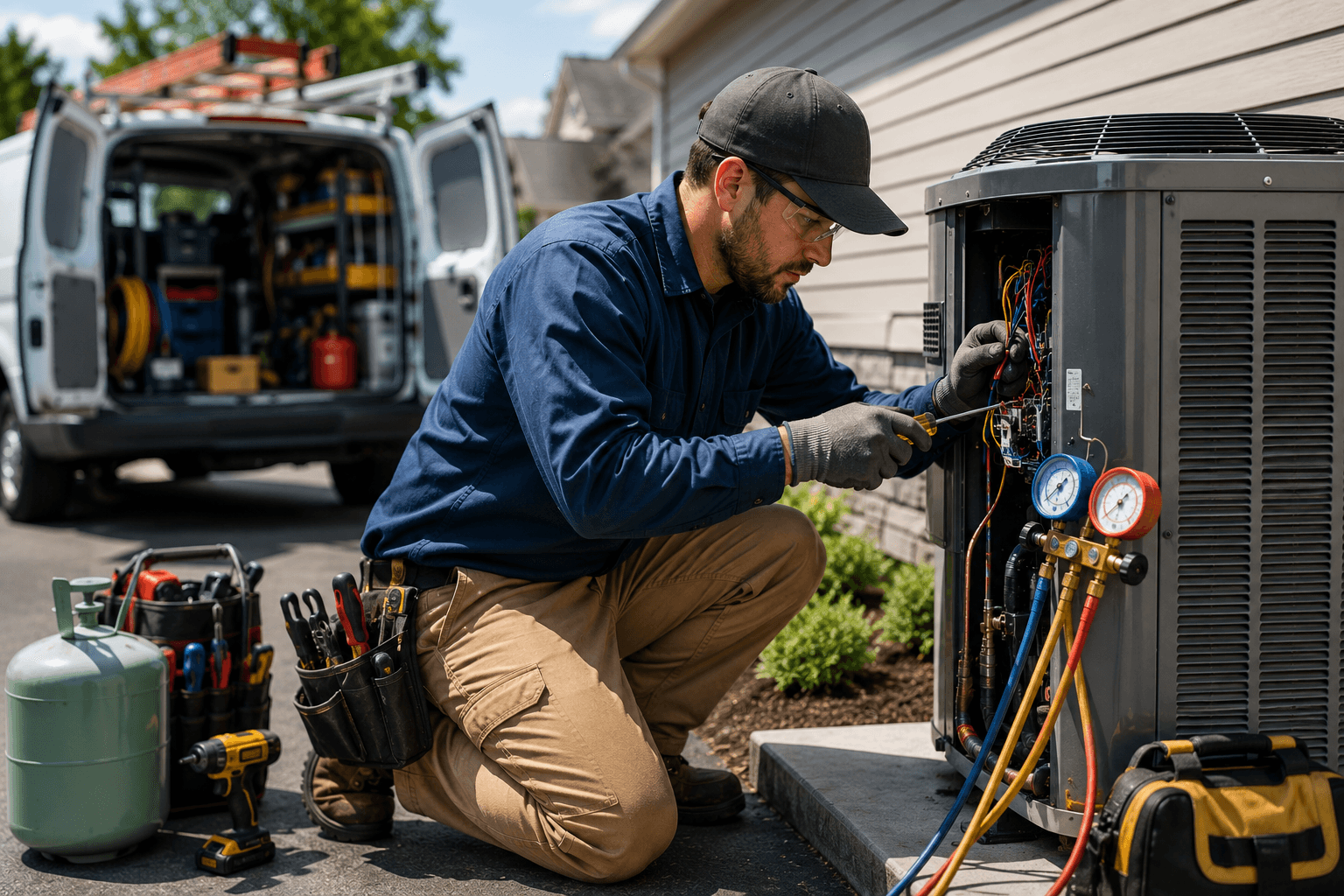
HVAC Contractors: Workers Compensation, Vehicles, Tools, and Jobsite Risk
HVAC contractors face employee injury, auto, tools, equipment, refrigerant, property damage, subcontractor, and certificate issues as the business grows.

June 2026
Contractors: Insurance Issues That Show Up When You Start Winning Bigger Jobs
As contracting businesses grow, certificates, subcontractors, commercial auto, workers compensation, tools, equipment, and audits can become more important.

June 2026
Electricians: Why Workers Compensation Matters Even Before You Hire a Big Crew
Electricians face jobsite risks that can affect employees, owner-operators, subcontractors, vehicles, tools, contracts, and completed work.