
November 2018
Snow and Ice Removal: Insurance Questions Before the First Storm
Snow removal creates liability, vehicle, equipment, workers compensation, and contractual risks for both property owners and contractors.

Snow and ice can turn an ordinary parking lot, sidewalk, or driveway into a serious liability exposure.
Property owners often hire contractors to plow snow, spread salt, clear sidewalks, and manage icy conditions. Contractors, in turn, take on risks involving vehicles, equipment, employees, contracts, and allegations that an area was not properly treated.
Before hiring a snow removal contractor, a property owner should understand who is responsible for which areas and when service is expected to occur.
The written contract should clearly describe the scope of work. Questions may include whether service begins after a certain amount of accumulation, who monitors changing conditions, whether sidewalks are included, who applies deicing materials, and whether return visits are required.
Insurance requirements should also be addressed before the first storm.
A snow removal contractor may need commercial general liability, business auto, workers compensation, equipment coverage, and umbrella or excess liability depending on the operation.
A personal auto policy should not automatically be assumed to cover a truck used commercially for snow plowing. Vehicle ownership, business use, attached equipment, and the policy language all matter.
Snowplows, salt spreaders, skid steers, loaders, tractors, and other equipment can be expensive. Physical damage and inland marine or equipment coverage should be reviewed where appropriate.
Slip-and-fall allegations are a major concern. Documentation can be important when a claim occurs months after a storm.
Contractors may benefit from keeping service logs showing the date and time of work, weather conditions, areas serviced, materials applied, return visits, and photographs when practical.
Property owners should also review contracts for indemnification provisions, additional insured requirements, waiver of subrogation, and insurance limits.
A certificate of insurance is only evidence of coverage at a point in time. It does not replace the need to verify that required endorsements and policies are actually in place.
Winter weather cannot be controlled, but responsibilities can be clarified. Good contracts, proper insurance, documented procedures, trained operators, and timely service can reduce the chance that a snow event becomes a major uninsured dispute.
Keep reading
Other blog posts
June 2026
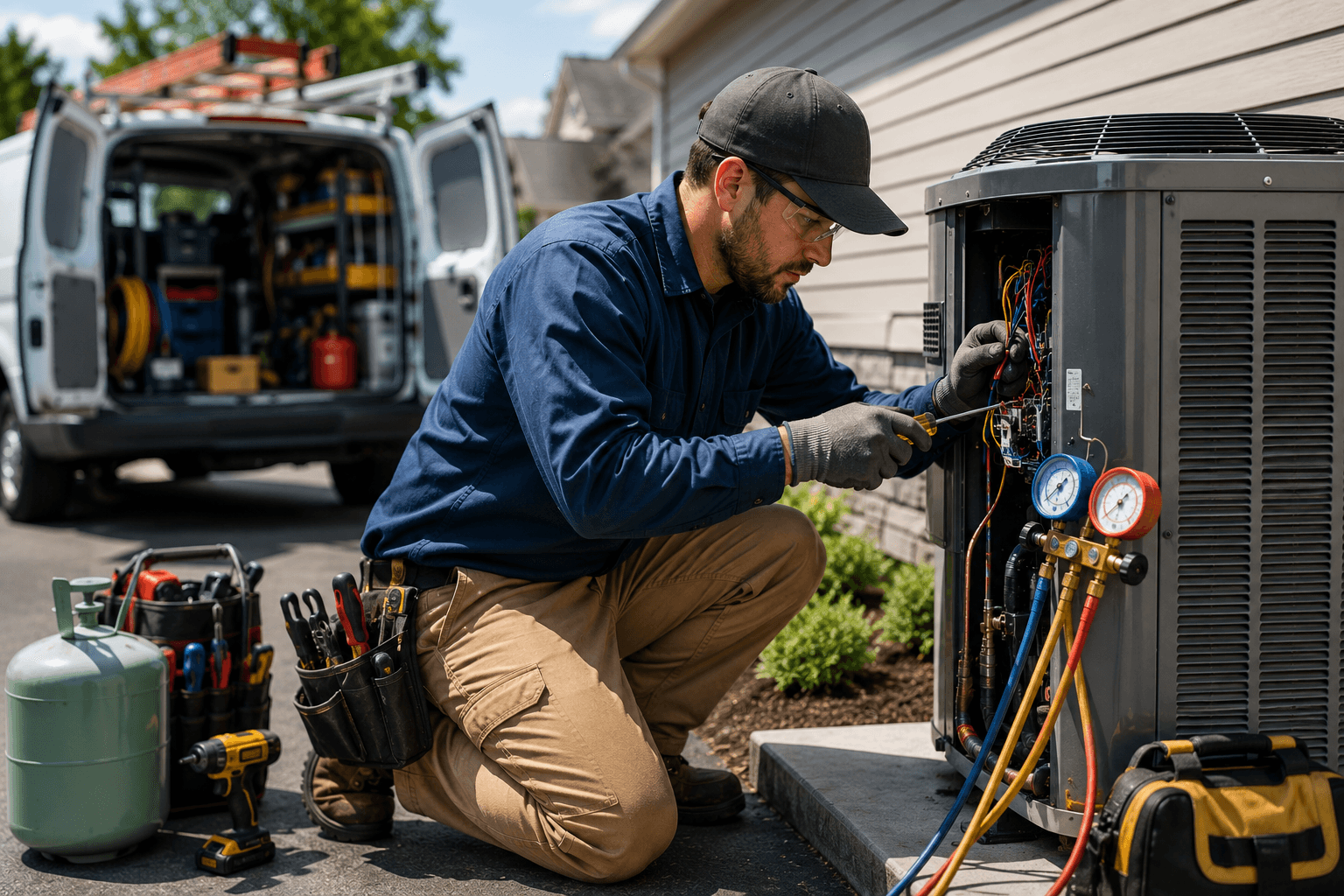
HVAC Contractors: Workers Compensation, Vehicles, Tools, and Jobsite Risk
HVAC contractors face employee injury, auto, tools, equipment, refrigerant, property damage, subcontractor, and certificate issues as the business grows.

June 2026
Contractors: Insurance Issues That Show Up When You Start Winning Bigger Jobs
As contracting businesses grow, certificates, subcontractors, commercial auto, workers compensation, tools, equipment, and audits can become more important.

June 2026
Electricians: Why Workers Compensation Matters Even Before You Hire a Big Crew
Electricians face jobsite risks that can affect employees, owner-operators, subcontractors, vehicles, tools, contracts, and completed work.