
November 2018
What Does 'Full Coverage' Car Insurance Actually Mean?
There is no single standardized policy called full coverage. Auto protection is built from separate coverages, limits, deductibles, and endorsements that should be selected intentionally.
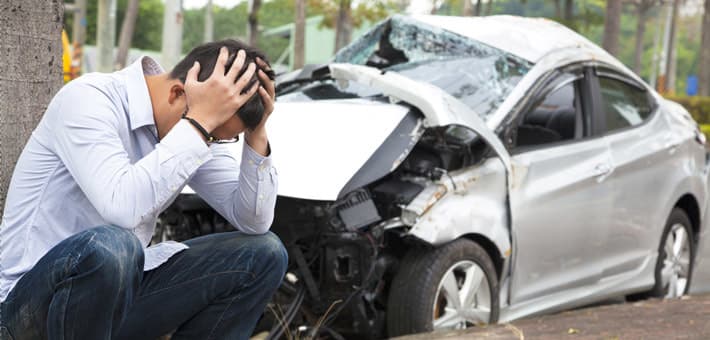
People frequently ask for full coverage car insurance, but the phrase can create more confusion than clarity.
There is no universal insurance policy officially called full coverage. The term is commonly used to describe a combination of coverages, often including liability, comprehensive, and collision, but the actual policy can contain much more or much less.
Liability coverage addresses certain injuries or property damage you become legally responsible for causing to others, subject to the policy terms and limits.
Collision coverage generally addresses covered damage to your own vehicle resulting from a collision, subject to a deductible.
Comprehensive coverage generally addresses certain non-collision losses such as theft, hail, fire, vandalism, falling objects, or animal strikes, subject to the policy terms and deductible.
Those three coverages still do not mean every possible loss is covered.
An auto policy may also include or offer uninsured motorist coverage, underinsured motorist coverage, medical payments, rental reimbursement, roadside assistance, custom equipment coverage, gap-related products, and other optional protections.
State requirements vary, and lenders or leasing companies may impose additional insurance requirements when they have a financial interest in the vehicle.
Liability limits deserve particular attention. Carrying comprehensive and collision on an expensive vehicle does not mean the policy has enough liability protection if a serious accident injures another person.
Deductibles also matter. A policy may technically include physical damage coverage while still requiring the policyholder to absorb a significant portion of a smaller loss.
Custom parts, aftermarket equipment, permanently installed electronics, specialty wheels, modifications, and business use can create additional coverage questions.
Drivers should also understand who is listed on the policy, which vehicles are insured, who regularly operates them, where they are garaged, and how they are used.
Instead of asking only for full coverage, ask what each part of the policy does, what limits apply, what deductibles you would owe, and which important exposures are excluded.
The goal is not to buy a label. It is to build an auto insurance policy that matches the value of the vehicles, the drivers, the financial assets at risk, and the situations the household is likely to face.
Keep reading
Other blog posts
June 2026
HVAC Contractors: Workers Compensation, Vehicles, Tools, and Jobsite Risk
HVAC contractors face employee injury, auto, tools, equipment, refrigerant, property damage, subcontractor, and certificate issues as the business grows.

June 2026
Contractors: Insurance Issues That Show Up When You Start Winning Bigger Jobs
As contracting businesses grow, certificates, subcontractors, commercial auto, workers compensation, tools, equipment, and audits can become more important.

June 2026
Electricians: Why Workers Compensation Matters Even Before You Hire a Big Crew
Electricians face jobsite risks that can affect employees, owner-operators, subcontractors, vehicles, tools, contracts, and completed work.