
February 2017
Why Auto Insurance Can Increase Even as Your Car Gets Older
An older vehicle may be worth less, but auto insurance premiums also reflect liability, injury costs, repair costs, claim trends, drivers, location, and many other factors.
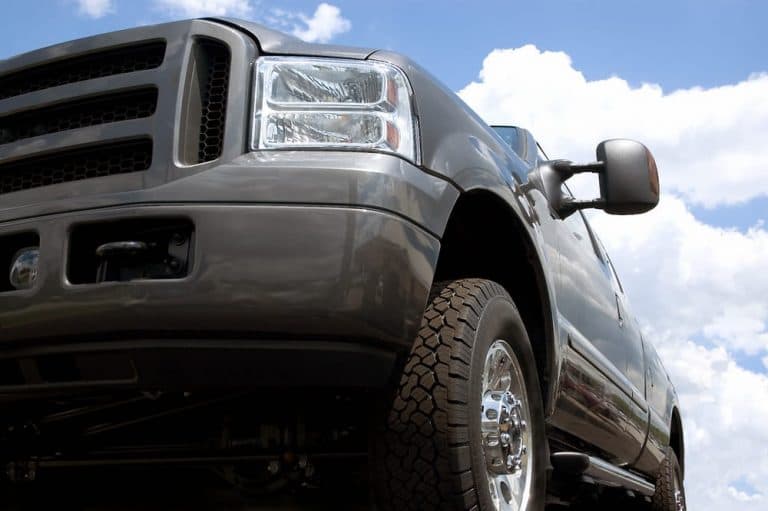
It seems logical that auto insurance should always get cheaper as a vehicle gets older.
The vehicle may be worth less each year, but the value of the car is only one part of what an auto insurance policy protects.
Liability coverage can represent a significant portion of the risk. A ten-year-old vehicle can still cause the same serious bodily injury or property damage as a brand-new vehicle.
Medical costs, legal expenses, vehicle repair costs, replacement parts, labor rates, litigation trends, claim frequency, and the severity of accidents can all influence insurance pricing over time.
The driver's characteristics matter too. Driving history, household drivers, garaging location, annual mileage, prior claims, insurance history, and other permitted rating factors can affect premium.
Comprehensive and collision coverage are more directly connected to the insured vehicle, but even those costs do not depend solely on market value.
Modern repairs can involve expensive parts, paint, electronics, calibration, sensors, cameras, and labor. Even older vehicles may be costly to repair after certain losses.
Weather and theft trends can affect comprehensive losses in a region. Hail, flooding, catalytic converter theft, vehicle theft, vandalism, and animal strikes can all influence claim costs.
Insurance companies also periodically update rates based on their overall loss experience and approved rating plans.
This means a customer can have no tickets, no accidents, and an aging vehicle while still seeing a renewal increase.
Dropping physical damage coverage solely because a car is older should be considered carefully. The decision depends on the vehicle's actual value, the deductible, the premium savings, the owner's financial ability to replace the car, and any lender requirements.
Liability limits should not be reduced simply because the insured vehicle has depreciated. Liability protects against claims made by others, not just damage to your own car.
When a renewal increases, review the policy instead of focusing only on the age of the vehicle.
Check the coverages, limits, deductibles, listed drivers, discounts, mileage, vehicle use, and whether shopping other carriers makes sense.
Auto insurance prices more than the metal sitting in the driveway. It prices a combination of the vehicle, the people driving it, the places it is driven, and the financial consequences of the accidents and losses that can occur.
Keep reading
Other blog posts
June 2026
HVAC Contractors: Workers Compensation, Vehicles, Tools, and Jobsite Risk
HVAC contractors face employee injury, auto, tools, equipment, refrigerant, property damage, subcontractor, and certificate issues as the business grows.

June 2026
Contractors: Insurance Issues That Show Up When You Start Winning Bigger Jobs
As contracting businesses grow, certificates, subcontractors, commercial auto, workers compensation, tools, equipment, and audits can become more important.
June 2026
Electricians: Why Workers Compensation Matters Even Before You Hire a Big Crew
Electricians face jobsite risks that can affect employees, owner-operators, subcontractors, vehicles, tools, contracts, and completed work.